
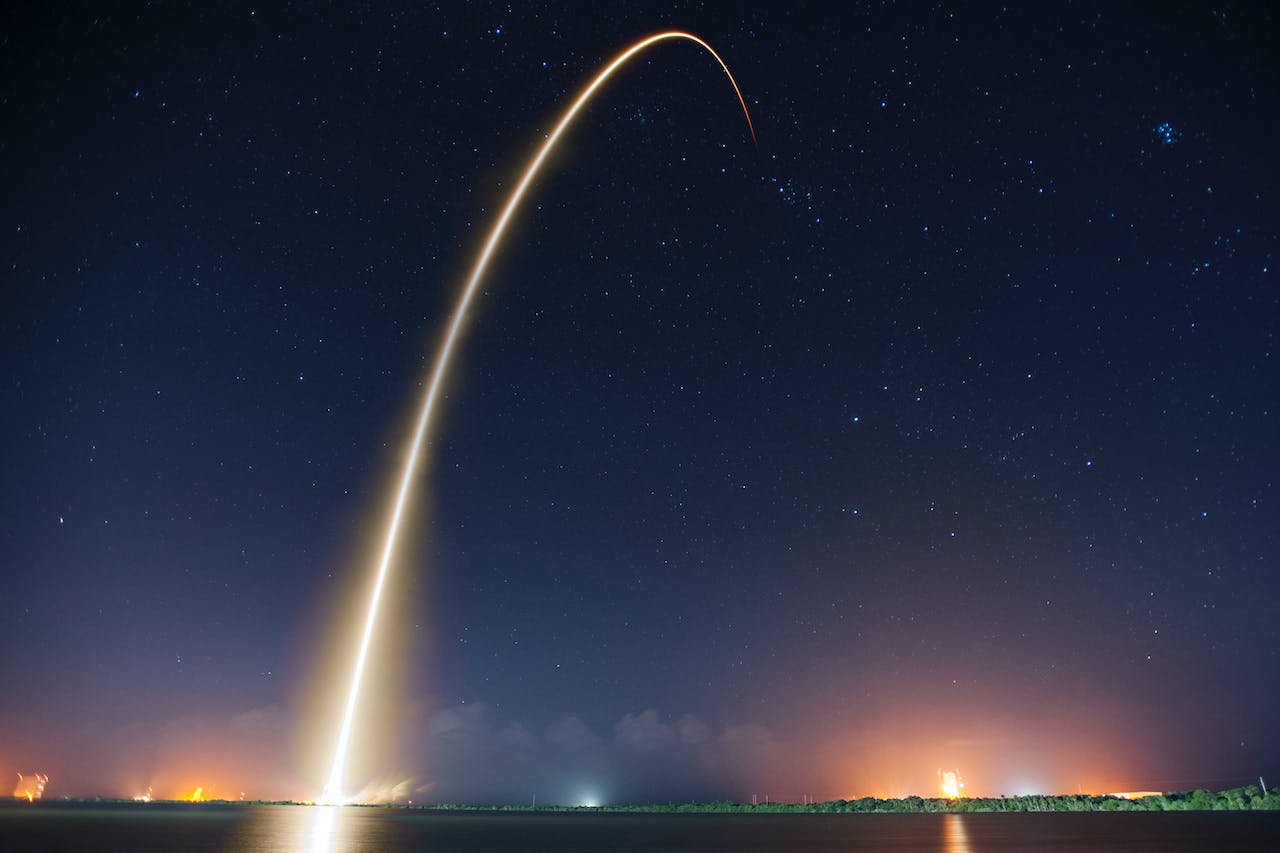
The European Space Agency (ESA) has struck a deal with Elon Musk’s SpaceX to launch four navigation and communication satellites into orbit. This collaboration marks the first instance of the European Union working with SpaceX on a satellite containing classified data, with officials from both parties ensuring the protection of sensitive information. The satellites are part of the Galileo global navigation satellite system, which aims to provide Europe with a precision positioning service independent of the American GPS, Russian GLONASS, and Chinese BeiDou systems. The launch of these satellites is scheduled for 2024, and the partnership signifies the increasing global influence of SpaceX as a reliable partner for launching critical satellite systems.
The agreement comprises two launches in the coming year, each carrying a pair of Galileo satellites that handle encrypted communication for European governments and oversee the satellite navigation system of the bloc.
ESA and SpaceX Partnership for Satellite Launches
This collaboration not only signifies a strengthening relationship between the parties involved but also serves as a stepping stone to enhance Europe’s independent access to critical services in the field of satellite positioning and navigation. With the successful completion of these launches, the constellation will improve the overall accuracy and coverage of the European satellite navigation system, ultimately offering increased reliability and security to users across the continent.
Presently, Europe is unable to independently access space satellites due to Ariane 5’s decommissioning, launch setbacks for its successor Ariane 6, and the grounding of Italy’s Vega C rocket after a failed launch last December. As a result, Europe is currently reliant on foreign launch providers, such as SpaceX and Roscosmos, for satellite deployment, which leaves the region’s space industry vulnerable and dependent on external services.
In order to regain its independent access to space, Europe must expedite the development and successful launch of Ariane 6 and Vega C, while also exploring alternative solutions and collaborations with other nations and private companies. Furthermore, their backup, the Russian Soyuz program, was discontinued last year as relations deteriorated following Russia’s invasion of Ukraine. ESA officials claim that this situation has left Europe with “no other choice” but to work with SpaceX.
ESA’s Adaptability and Competitive Edge
As a result, they have decided to collaborate with SpaceX to ensure access to space and maintain Europe’s leadership in space exploration. This partnership with Elon Musk’s pioneering company demonstrates the ESA’s willingness to adapt and stay competitive in an ever-changing industry, securing a reliable means of transportation for future missions and endeavors.
Javier Benedicto, ESA’s Director of Navigation, revealed that while ten satellites are prepared for launch, the agency does not intend to use SpaceX for Galileo launches beyond this arrangement. This decision comes after careful consideration of various factors, including technical compatibility, security requirements, and long-term program goals. However, ESA is open to future collaborations with SpaceX on other projects as they continue to explore new possibilities in the rapidly evolving space industry.
Ariane 6 and its Competitors
Instead, they hope that Ariane 6, ESA’s forthcoming heavy-lift rocket, will become operational sometime in 2024. This timeline means that Ariane 6 will enter the competitive market of heavy-lift launchers, joining the likes of SpaceX’s Falcon Heavy and United Launch Alliance’s Vulcan Centaur. By becoming operational in 2024, ESA aims to boost its capabilities for launching heavier payloads and enhancing its position in the global aerospace market.
The launch of the rocket, which was initially planned to transport the Galileo satellites into space, has been hindered by numerous delays. These delays have primarily been attributed to technical issues, adverse weather conditions, and concerns over the global pandemic. As a result, space industry experts and enthusiasts alike have been eagerly anticipating the rescheduled launch, which is set to provide significant advancements in global navigation and satellite technology.
Emerging Players in the Launch Market
Emerging potential launch providers, including Spain’s PLD Space and Germany’s Rocket Factory Augsburg, are in the process of refining their technology. These companies aim to join the competitive market of small satellite launches, offering affordable and reliable options for organizations seeking access to space. As they progress in the development and testing of their respective launch systems, they could contribute significantly to the rapidly growing commercial space industry.
It remains uncertain when their rockets will be available for commercial use. However, several companies are actively working on perfecting their launch capabilities and conducting extensive tests to ensure safe and efficient space travel. As progress continues, the possibility of commercial rocket travel is becoming more realistic, signaling a significant milestone in aerospace transportation.
Final Approval and the Future of ESA-SpaceX Deal
The European Commission and EU member states are now responsible for granting final approval to the ESA-SpaceX deal. Once the final approval is granted, the European Space Agency (ESA) and SpaceX partnership will undoubtedly mark a significant milestone in the space exploration sector. This collaboration is expected to propel advancements in this domain, while fostering further research, innovation, and economic growth within the European Union.
The ESA has not yet offered any comments in response to requests. However, it is anticipated that the agency will address the inquiries in the near future. In the meantime, stakeholders and interested parties continue to keep a close eye on the situation as more information becomes available.
Frequently Asked Questions (FAQ)
What is the purpose of the ESA and SpaceX Partnership?
The partnership aims to launch four Galileo navigation and communication satellites into orbit, enhancing Europe’s independent positioning service and providing increased reliability and security for users across the continent.
What does this partnership signify for Europe?
This collaboration signifies a strengthening relationship between ESA and SpaceX, as well as Europe’s commitment to regaining independent access to space and maintaining a competitive edge in the space industry.
How many launches are planned in this agreement?
There are two launches planned in the coming year, each carrying a pair of Galileo satellites responsible for encrypted communication for European governments and the satellite navigation system of the bloc.
Will ESA continue to work with SpaceX on Galileo satellite launches in the future?
ESA has revealed that they do not intend to use SpaceX for Galileo satellite launches beyond this current arrangement, but they remain open to exploring other potential collaborations with SpaceX in the future.
When is Ariane 6 expected to become operational?
Ariane 6, ESA’s forthcoming heavy-lift rocket, is expected to become operational sometime in 2024, joining the competitive market alongside heavy-lift launchers like SpaceX’s Falcon Heavy and United Launch Alliance’s Vulcan Centaur.
What is the current status of emerging launch providers like PLD Space and Rocket Factory Augsburg?
Emerging launch providers are in the process of refining their technology and testing their respective launch systems, aiming to join the competitive market of small satellite launches and contribute to the commercial space industry.
Who is responsible for granting final approval to the ESA-SpaceX deal?
The European Commission and EU member states are responsible for granting final approval to the ESA-SpaceX collaboration, which, if approved, will mark a significant milestone in the space exploration sector and facilitate advancements in research, innovation, and economic growth within the European Union.
Featured Image Credit: Photo by SpaceX; Pexels; Thank you!


