
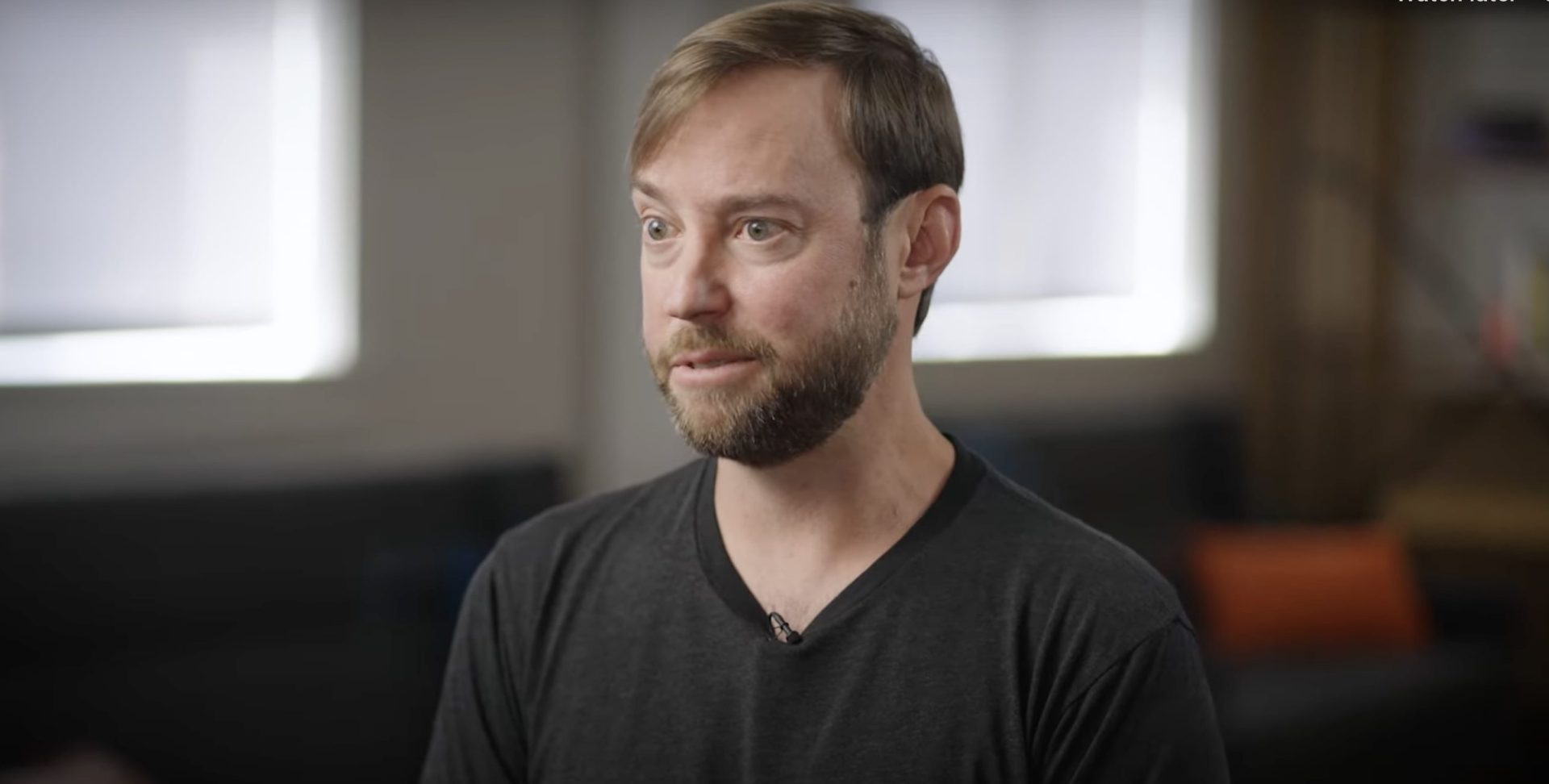
Building products that reach billions of users isn’t a straight path – it’s filled with unexpected turns, failures, and moments of breakthrough. David Lieb’s journey from creating Bump to launching Google Photos taught him invaluable lessons about product development, perseverance, and the true meaning of success in tech.
As a former engineer turned entrepreneur, the path David followed was anything but conventional. After graduating from Princeton and briefly pursuing a PhD at Stanford, he found himself in a cubicle at Texas Instruments when inspiration struck. The sale of YouTube by two young founders opened my eyes to the possibilities of creating something impactful.
The Birth of Bump A Simple Solution to a Common Problem
During his first week of business school, David encountered a frustrating situation – everyone exchanging phone numbers manually despite having smartphones in their pockets. This led to the creation of Bump, an app that allowed users to share contact information by simply bumping their phones together.
The success was immediate and overwhelming. Within days of launching, thousands of users discovered the app. They quickly became the second most popular app in the App Store, attracted celebrity investors like MC Hammer, and even caught Steve Jobs’ attention.
However, success came with its own set of challenges. Here are the key mistakes Bump made:
- Lacked a clear business model
- Hired too quickly to keep up with demand
- Raised excessive funding too early
- Got distracted by VC meetings and conferences

The Pivot That Changed Everything
After burning through $15 million and facing declining user engagement, David went back to basics. Through direct conversations with our top users, we discovered something surprising – people were primarily using Bump to share family photos, not contact information.
This insight led to the development of Flock, an app designed to automatically share photos with people who were present when they were taken. While innovative, Flock also struggled to gain traction. But these failures weren’t the end – they were stepping stones to something bigger.
The Birth of Google Photos
Sometimes the biggest opportunities come from the most challenging moments. After selling to Google, instead of following orders to work on Google+, David chose to pursue his vision for a revolutionary photos product. This decision nearly got David fired twice, but his conviction in the product’s potential kept him going.
The risk paid off. In just nine months, he built and launched Google Photos, which became one of the fastest-growing products ever, reaching a billion users in less than four years. The success validated his earlier failures and proved that persistence and vision can overcome seemingly insurmountable obstacles.
Life-Changing Perspective
David’s journey took an unexpected turn when he was diagnosed with leukemia during the height of COVID. Facing mortality changed his perspective on success and purpose. That night in the hospital, when he thought he had a 50% chance of survival, David found himself looking through Google Photos, reliving memories with his family.
This experience taught him that true success isn’t just about building popular products – it’s about creating meaningful impact and helping others achieve their dreams. That’s why he has transitioned to working with YC, guiding the next generation of founders to avoid the mistakes he made and build the future.
The key lessons from my journey are clear:
- Build products that solve real problems you personally experience
- Trust quantitative data over qualitative feedback
- Take bigger risks than you think you can handle
- Never stop believing in your vision, even when others don’t see it
Frequently Asked Questions
Q: What made Bump initially successful but ultimately fail?
Bump achieved immediate popularity due to its innovative solution to contact sharing, but suffered from low frequency of use and lack of a sustainable business model. The app fell into the dangerous category of low frequency, low value interactions, which made it difficult to maintain user engagement over time.
Q: How did the transition from Bump to Google Photos happen?
After selling Bump to Google, the team developed a prototype called Photo Roll, which eventually evolved into Google Photos. Despite initial resistance from management and being told to work on Google+, persistent advocacy and support from engineers helped secure approval to build what became Google Photos.
Q: What were the key factors in Google Photos’ success?
Google Photos succeeded by combining powerful AI technology with a simple user need – creating a home for all life’s memories. The product offered innovative features like searchable photos, facial recognition, and automated editing, while maintaining an intuitive user experience.
Q: What advice would you give to aspiring entrepreneurs?
Focus on solving problems that personally affect you, validate ideas through quantitative data rather than just user feedback, and be willing to take calculated risks. Most importantly, maintain conviction in your vision while being adaptable enough to pivot based on user behavior and market needs.
Q: How has your perspective on success changed throughout your journey?
After facing both professional challenges and personal health crises, success has become less about building popular products and more about creating meaningful impact. It’s about using experience and knowledge to help others achieve their goals and build products that make a difference in people’s lives.


