
In recent times, Janitor AI and fictional AI chatbots have captured the attention of many. Janitor AI is a tool designed to help businesses streamline their operations, while fictional AI chatbots have become popular in movies and books. This article will explore what makes Janitor AI special, the appeal of fictional AI chatbots, and the impact of these technologies on our lives and businesses.
Key Takeaways
- Janitor AI is a powerful tool that helps businesses improve efficiency and customer service.
- Fictional AI chatbots, like those seen in movies, spark our imagination and show us the potential of AI.
- The rise of Janitor AI reflects a growing demand for smarter business solutions.
- Both Janitor AI and fictional chatbots highlight the importance of technology in everyday life.
- Understanding these technologies can help us better prepare for the future of work.
Understanding Janitor AI and Its Popularity
What is Janitor AI?
Janitor AI is a chatbot platform that was launched in 2023. It allows users to create and interact with various AI characters, each of which can be tailored to meet specific needs. This personalization makes it a unique tool in the chatbot market.
The Rise of Janitor AI in the Market
The popularity of Janitor AI has surged due to several factors:
- User-Friendly Interface: Easy to navigate, making it accessible for everyone.
- Customization Options: Users can create characters that fit their requirements.
- Engagement: The platform encourages interaction, keeping users engaged.
Key Features of Janitor AI
Janitor AI comes with several standout features:
- Character Creation: Users can design their own AI characters.
- Interactive Conversations: The AI can hold conversations that feel natural.
- Learning Capabilities: It improves over time by learning from interactions.
Why Users Love Janitor AI
Users appreciate Janitor AI for various reasons:
- Personalization: The ability to create unique characters.
- Entertainment: Engaging and fun interactions.
- Support: Helpful in various tasks, making it a versatile tool.
Janitor AI is not just a chatbot; it’s a platform that allows creativity and interaction, making it a favorite among users.
Exploring Fictional AI Chatbots
Defining Fictional AI Chatbots
Fictional AI chatbots are characters created in stories, movies, and games that can interact with humans. They often have unique personalities and abilities, making them memorable. These chatbots help shape our understanding of AI and what it could become in the future.
Popular Fictional AI Chatbots in Media
Some well-known fictional AI chatbots include:
- HAL 9000 from 2001: A Space Odyssey
- Cortana from the Halo series
- Samantha from Her
These characters have influenced how we view AI, often reflecting our hopes and fears about technology.
How Fictional AI Chatbots Differ from Real Ones
Fictional AI chatbots are often more advanced than real ones. They can:
- Understand emotions and context better.
- Make decisions based on complex scenarios.
- Have a personality that evolves over time.
In contrast, real chatbots are designed for specific tasks and often lack the depth of character.
The Appeal of Fictional AI Chatbots
Fictional AI chatbots attract audiences for several reasons:
- Imagination: They allow us to explore what AI could be.
- Connection: They often form emotional bonds with characters.
- Entertainment: Their stories can be thrilling and thought-provoking.
Fictional AI chatbots serve as a mirror, reflecting our desires and fears about technology and its role in our lives.
Conclusion
Fictional AI chatbots play a significant role in shaping our perceptions of AI. They inspire creativity and provoke thought about the future of technology, making them a fascinating topic to explore.
The Impact of Janitor AI on Businesses
Enhancing Customer Service with Janitor AI
Janitor AI has transformed how businesses interact with their customers. By using this technology, companies can provide faster responses to inquiries, leading to improved customer satisfaction. Many businesses have reported significant improvements in customer satisfaction, with some achieving up to 98% satisfaction rates. This is a game-changer in the competitive market.
Cost Efficiency and Janitor AI
Implementing Janitor AI can lead to substantial cost savings for businesses. Here are some ways it helps:
- Reduced labor costs: Automating routine tasks means fewer employees are needed for customer service roles.
- Lower operational costs: AI can handle multiple inquiries simultaneously, reducing the need for extensive customer service teams.
- Increased productivity: Employees can focus on more complex tasks while AI manages simpler queries.
Janitor AI in Various Industries
Janitor AI is making waves across different sectors. Here’s a quick look at its impact:
| Industry | Impact of Janitor AI |
|---|---|
| Retail | Enhanced customer engagement and sales |
| Healthcare | Improved patient communication and scheduling |
| Finance | Streamlined customer inquiries and support |
Challenges Faced by Businesses Using Janitor AI
While Janitor AI offers many benefits, businesses also face challenges:
- Integration issues: Merging AI with existing systems can be complex.
- User acceptance: Some customers may prefer human interaction over AI.
- Data privacy concerns: Ensuring customer data is secure is crucial.
Janitor AI is not just a tool; it’s a revolution in how businesses operate, enhancing efficiency and customer satisfaction while also presenting new challenges to navigate.
Technological Advancements in AI Chatbots
AI Algorithms Behind Chatbots
AI chatbots are powered by advanced algorithms that help them understand and respond to user queries. These algorithms include:
- Natural Language Processing (NLP): This allows chatbots to understand human language and respond appropriately.
- Machine Learning: Chatbots learn from interactions to improve their responses over time.
- Deep Learning: This is a subset of machine learning that uses neural networks to analyze data and make decisions.
Natural Language Processing in Chatbots
Natural Language Processing (NLP) is a key technology that enables chatbots to interpret and generate human language. It involves:
- Tokenization: Breaking down sentences into words or phrases.
- Sentiment Analysis: Understanding the emotional tone behind a series of words.
- Entity Recognition: Identifying specific information like names, dates, and locations.
Machine Learning and Chatbot Evolution
Machine learning has significantly changed how chatbots operate. Here are some ways it has evolved:
- Personalization: Chatbots can tailor responses based on user preferences.
- Context Awareness: They can remember past interactions to provide more relevant answers.
- Autonomous Learning: Chatbots can improve their performance without human intervention.
Future Trends in AI Chatbot Technology
The future of AI chatbots looks promising with several emerging trends:
- Multimodal Interactions: Combining text, voice, and visual inputs for a richer user experience.
- Emotional Intelligence: Developing chatbots that can recognize and respond to human emotions.
- Integration with IoT: Chatbots will interact with smart devices, enhancing user convenience.
The future of AI chatbot development is bright, with opportunities for advanced NLP, multimodal interactions, and emotional intelligence leading the way.
| Trend | Description |
|---|---|
| Advanced NLP | Improved understanding of human language |
| Multimodal Interactions | Use of various input methods for interaction |
| Emotional Intelligence | Recognition of user emotions for better responses |
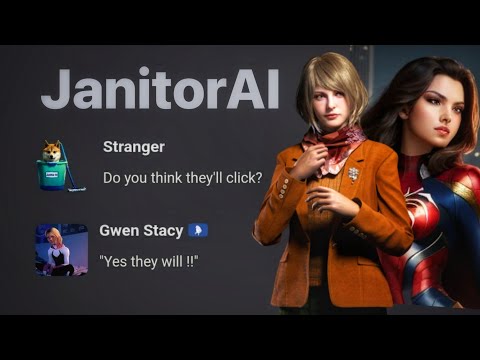
Comparing Janitor AI with Other AI Solutions
Janitor AI vs. Traditional AI Solutions
Janitor AI stands out from traditional AI solutions in several ways:
- User-Friendly Interface: Janitor AI is designed to be intuitive, making it easy for users of all ages to interact with.
- Realistic Conversations: Utilizing deep learning and advanced natural language processing, Janitor AI creates engaging and realistic conversations.
- Customization Options: Users can tailor the AI’s responses and personality to fit their needs, unlike many traditional solutions that offer limited customization.
Unique Selling Points of Janitor AI
Some unique features that set Janitor AI apart include:
- Accessibility: It caters to various age groups, making it suitable for a wide audience.
- Engagement: The AI’s ability to maintain engaging dialogues keeps users interested.
- Versatility: Janitor AI can be used in different settings, from personal use to business applications.
User Experience: Janitor AI vs. Competitors
When comparing user experiences, Janitor AI often receives praise for:
- Ease of Use: Users find it straightforward to navigate.
- Response Quality: The AI provides relevant and coherent answers, enhancing user satisfaction.
- Support: Janitor AI offers robust customer support, which is a significant advantage over some competitors.
Market Position of Janitor AI
Janitor AI has carved out a notable position in the market due to:
- Growing Popularity: Its user base is expanding rapidly, indicating a strong demand.
- Innovative Features: Continuous updates and improvements keep it competitive.
- Positive Reviews: Users frequently highlight their satisfaction, contributing to its reputation as a leading AI solution.
Janitor AI’s unique features and user-friendly design make it a popular choice among various AI solutions, appealing to a broad audience.
Ethical Considerations in AI Chatbot Development
Privacy Concerns with AI Chatbots
One of the biggest issues with AI chatbots is privacy. Users often share personal information, and it’s crucial for companies to protect this data. Regulations like GDPR and CCPA set standards for data privacy and user rights. Companies must ensure they are compliant with these laws to avoid penalties.
Bias and Fairness in AI Systems
AI systems can sometimes reflect biases present in their training data. This can lead to unfair treatment of certain groups. To combat this, developers should:
- Regularly audit their AI systems for bias.
- Use diverse datasets for training.
- Implement fairness checks during development.
Regulatory Challenges for AI Chatbots
As AI technology evolves, so do the regulations surrounding it. Companies must stay updated on laws that govern AI usage. This includes understanding:
- Local and international regulations.
- Compliance requirements for data handling.
- The implications of failing to meet these standards.
Ensuring Ethical AI Development
To promote ethical AI development, organizations should:
- Establish clear ethical guidelines for AI use.
- Involve diverse teams in the development process.
- Engage with stakeholders to understand their concerns.
Ethical considerations in AI development are not just about compliance; they are about building trust with users and ensuring a fair experience for everyone.
By addressing these ethical concerns, companies can create AI chatbots that are not only effective but also responsible and trustworthy.
The Future of AI Chatbots in Everyday Life
AI Chatbots in Personal Life
AI chatbots are becoming a part of our daily routines. They help us with tasks like setting reminders, answering questions, and even providing entertainment. In fact, the AI chatbot sector is expected to climb to $20.81 billion by 2029, showing how important they are becoming in our lives. Here are some ways they are used:
- Personal Assistants: Chatbots like Siri and Google Assistant help manage our schedules.
- Health Monitoring: Some chatbots can track health metrics and remind users to take medications.
- Entertainment: Chatbots can recommend movies, music, or even play games with users.
AI Chatbots in Professional Settings
In the workplace, AI chatbots are changing how we communicate and work. They can handle repetitive tasks, allowing employees to focus on more important work. Here are some benefits:
- Customer Support: Chatbots can answer common questions, reducing wait times for customers.
- Data Management: They can help organize and analyze data, making it easier for teams to access information.
- Training and Onboarding: New employees can interact with chatbots to learn about company policies and procedures.
Potential for AI Chatbots in Education
AI chatbots are also making waves in education. They can provide personalized learning experiences for students. Some uses include:
- Tutoring: Chatbots can help students with homework and provide explanations.
- Feedback: They can give instant feedback on assignments, helping students improve.
- Administrative Tasks: Chatbots can assist with scheduling and answering common questions from students.
AI Chatbots and Social Interaction
As AI chatbots become more advanced, they are also changing how we interact socially. They can help people connect in new ways:
- Companionship: Some chatbots are designed to provide emotional support and companionship.
- Community Building: Chatbots can facilitate group discussions and help organize events.
- Language Learning: They can assist users in practicing new languages through conversation.
The future of AI chatbots looks bright, as they continue to evolve and integrate into various aspects of our lives, making tasks easier and more efficient.
Final Thoughts on Janitor AI and Fictional AI Chatbots
In conclusion, Janitor AI and fictional AI chatbots are creating a buzz for good reasons. They offer exciting possibilities for how we interact with technology and each other. Janitor AI helps automate tasks, making work easier and more efficient. On the other hand, fictional AI chatbots provide entertainment and creative storytelling, allowing users to explore new worlds and ideas. As these technologies continue to develop, they could change our daily lives in ways we can’t yet imagine. It’s important to stay curious and open-minded about these advancements, as they might just shape the future of communication and productivity.
Frequently Asked Questions
What is Janitor AI?
Janitor AI is a type of artificial intelligence designed to help with various tasks, often in customer service or support roles. It can answer questions, provide information, and assist users in different ways.
How did Janitor AI become popular?
Janitor AI gained popularity because it offers quick responses and can handle many inquiries at once, making it useful for businesses looking to improve their customer service.
What are the main features of Janitor AI?
Some key features of Janitor AI include natural language processing, the ability to learn from interactions, and integration with other software systems.
Why do people like using Janitor AI?
Users appreciate Janitor AI because it saves time, provides accurate information, and can be available 24/7, making it convenient for both customers and businesses.
What are fictional AI chatbots?
Fictional AI chatbots are characters created for entertainment, often seen in movies, video games, or books. They can have personalities and storylines that engage users.
How do fictional AI chatbots differ from real AI chatbots?
Real AI chatbots are designed for practical use, like customer service, while fictional AI chatbots are created for storytelling and entertainment purposes.


