
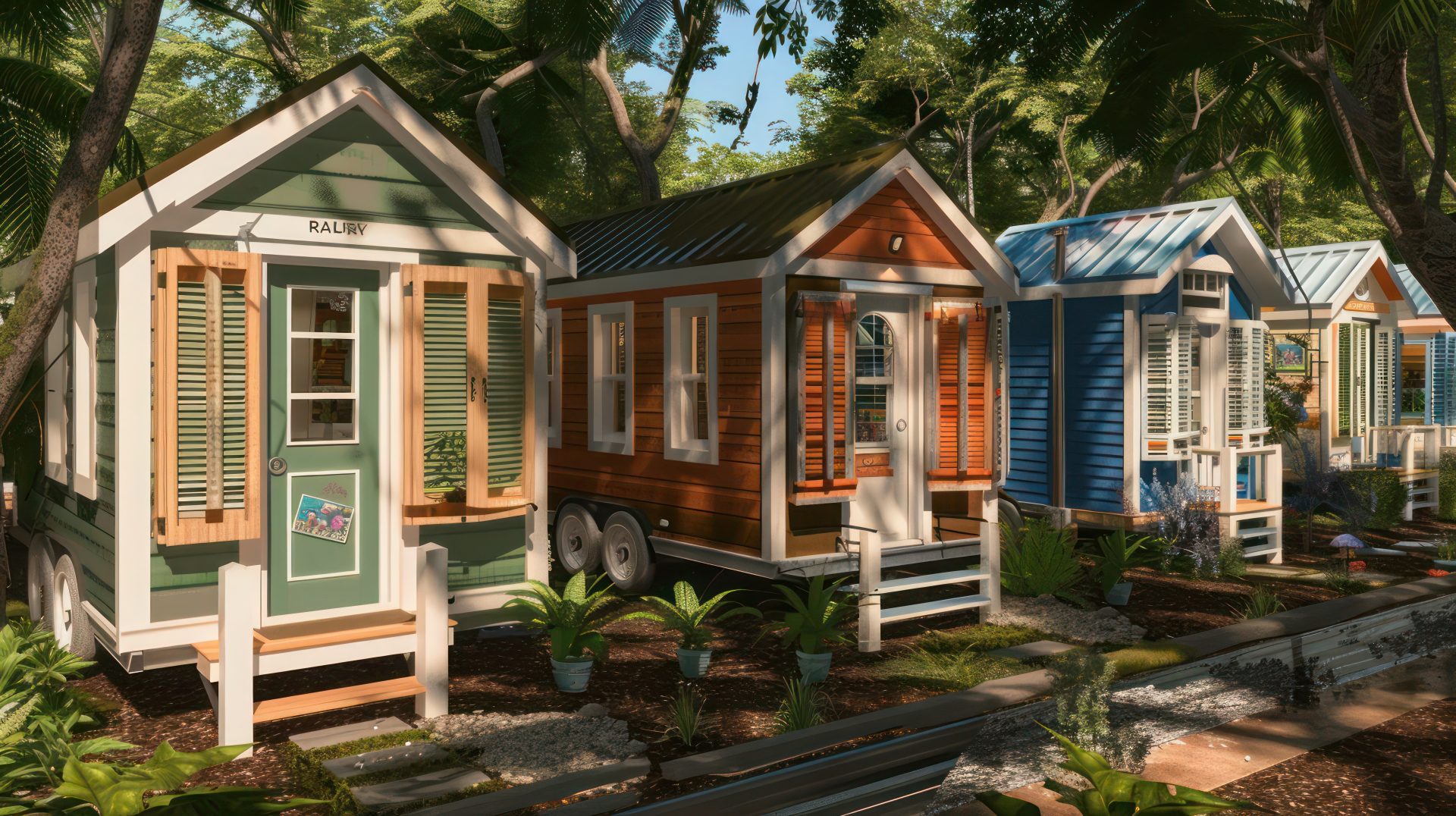
Living in a tiny home isn’t just about squeezing into a smaller space—it’s a whole mindset shift. When you have limited square footage but big ambitions, making it all work comes down to smart, intentional decisions. Minimalism thrives when you balance keeping what you need and holding onto what makes you happy.
Designing such a space demands a deliberate approach. Every inch matters, and how you use it shapes your daily experiences. Challenges can become opportunities for creative solutions, from clever storage to versatile furniture. These practical tips will help you maximize your space and turn your tiny home into a minimalist sanctuary.
Start With a Layout That Fits Your Life
The best tiny homes are designed around the people who live in them. Think about how you’re going to use your space day-to-day. Are you someone who loves to cook? Do you need a dedicated spot for working from home? Answering these questions will help you figure out where to put things like your kitchen, bathroom, and sleeping areas.
Efficiency is key. An optimized design makes life easier by incorporating features that maximize storage and enhance comfort, longevity, and affordability. For instance, under-bed storage or built-in shelves help you use every bit of available space.
Flexibility is also vital in minimalism. Furniture that can adapt—like modular pieces or movable dividers—lets you reconfigure spaces as your needs evolve. With the right approach, even the smallest areas can feel spacious.
Get Creative With Storage
Storage can make or break a tiny home. Clutter can quickly make even the roomiest tiny house designs feel cramped without proper organization. Built-in solutions, such as wall-mounted cabinets and floor-to-ceiling shelves, are excellent for keeping items tucked away.
Furniture that does double duty is a game-changer. A bed with drawers underneath or a coffee table that hides extra blankets can save you space while keeping your home stylish. Staying tidy doesn’t feel like a chore when each item has its place.
Don’t underestimate vertical space. Hooks, pegboards, and racks are great for storing everyday items like kitchen tools or jackets without taking up precious floor space. Thinking upward allows you to free up countertops and create a more open feel.
Let Light and Neutral Colors Work Their Magic
Natural light can make even the smallest spaces feel bigger. If you have windows, let them shine—literally. Skylights or glass doors are also great for bringing in more light. Need privacy? Sheer curtains or frosted glass give you the best of both worlds.
As for colors, stick to neutrals. Whites, beiges, and soft grays create an airy vibe that feels calm and open. If you’re worried about it looking too plain, don’t be—add pops of personality with throw pillows, rugs, or artwork.
Mirrors are another easy win in minimalism. Placing one across from a window bounces light around and creates the illusion of more space. It’s a simple trick that makes a noticeable difference.
Choose Furniture That Does More


Every piece of furniture needs to earn its keep in a tiny home. Multi-functional items are your best bet. Think of a dining table that folds away when you’re done or a sofa that doubles as a bed. These kinds of pieces let you make the most of your space without crowding it.
Minimalism Furniture that can do multiple jobs also means you need fewer pieces overall. A Murphy bed, for instance, frees up your bedroom during the day, turning it into a living space. Fewer items mean less clutter and more room to move around.
Invest in quality, too. Well-made furniture lasts longer and handles daily wear and tear better. Spending a little more on pieces you can keep for life is worth it.
Expand Your Minimalism Home Outdoors
A tiny home doesn’t have to feel small when taking advantage of the outside space. A deck, patio, or garden can double as an extension of your living room, giving you extra space to relax, entertain, or just enjoy the fresh air. It’s like adding another room; no renovation is required.
Use portable furniture to make your outdoor setup flexible. Folding chairs, lightweight tables, and storage benches can be easily rearranged or stowed away as needed. Adding plants and greenery further enriches the space, creating a cozy and inviting atmosphere.
You can even create ‘zones’ in your outdoor space. A hammock for lazy afternoons or a small firepit for chilly evenings can turn your outdoor area into a favorite spot.
Wrapping It Up
Designing your dream tiny house is all about creating a lifestyle that feels intentional and balanced. With a layout that works for you, clever storage solutions, and furniture that does more than one job, you can build a functional and beautiful home.
Natural light, neutral colors, and outdoor living areas add that finishing touch, making your space feel open and inviting. With the right tiny house design choices, your home can be more than just a place to live; it can be a reflection of who you are and what matters most.


