
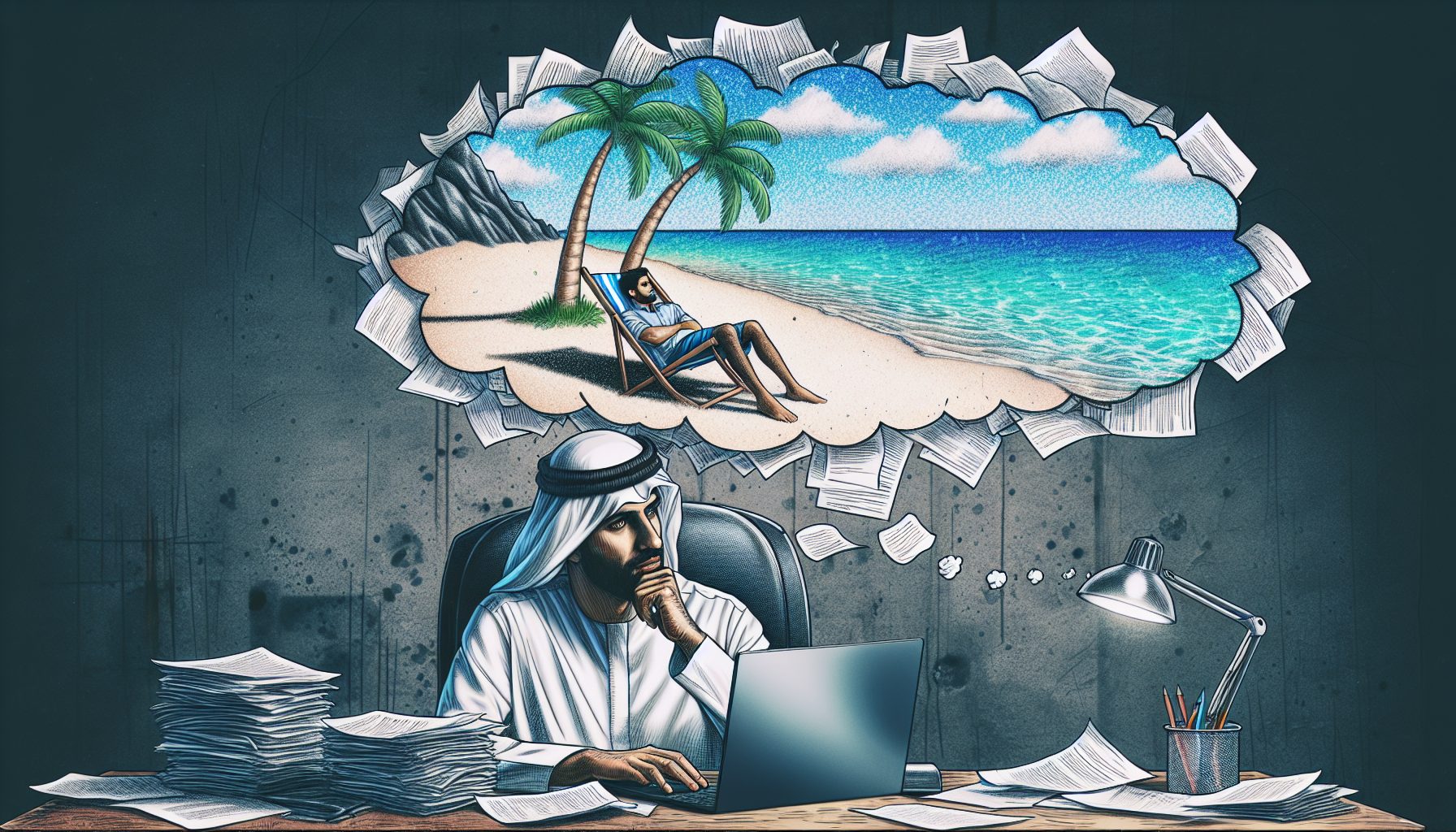
Recent poll data reveals that almost half of startup entrepreneurs are considering abandoning their ventures this year, driven by a heavy workload and intense burnout. They have struggled due to factors like diminished company value, cautious investors, widespread layoffs, and a pressing need for profitability. These forces have prompted many startup founders to reassess their dedication to, and the value of their ventures.
The survey, involving 156 startup entrepreneurs, demonstrated high stress levels in the past year, with 85% experiencing high stress and 75% dealing with anxiety. A staggering 45% of solo entrepreneurs reported their mental health as ‘poor’ or ‘very poor’. It also signified a direct correlation between mental health issues and the success rate of startups.
Comparatively, solo entrepreneurs are more likely to experience severe mental health issues. The burden of their startups’ success, loneliness, isolation, and constant overwhelming feelings often weigh heavily on solo entrepreneurs. The importance of mental health as part of entrepreneur training schemes should be seen as a necessary step toward creating a healthier startup culture.
The results of the survey are indeed a wake-up call for industry leaders, mentors, and investor networks. It emphasizes the critical need to establish support systems for entrepreneurs’ mental health, particularly for those running solo ventures.
Entrepreneurs identified securing funding and maintaining a balanced personal and professional life as significant obstacles. Many are still in the early stages of their ventures, coming from a diverse range of sectors, such as technology, healthcare, retail, and service. Despite their unique situations, they all share a common determination to drive their ventures forward.
Unfortunately, the strain of running a startup is causing many entrepreneurs to contemplate a stable job with a reliable income. Interestingly, customer retention, staff cuts, and hiring were perceived as the least challenging aspects of their jobs.
More concerning is the severe impact on personal life, with a majority reporting on disruption to personal relationships and work-life balance. They also noted reduced physical fitness and poor dietary habits, with a significant number admitting to the friction in their personal relationships.
Despite these challenges, there is some optimism, with a majority of entrepreneurs actively seeking help and support. Although there is a long road ahead, these signs of resilience provide a glimmer of hope in a challenging landscape. It also suggests a potential role for investors, who could actively contribute to maintaining their entrepreneurs’ mental health.


