
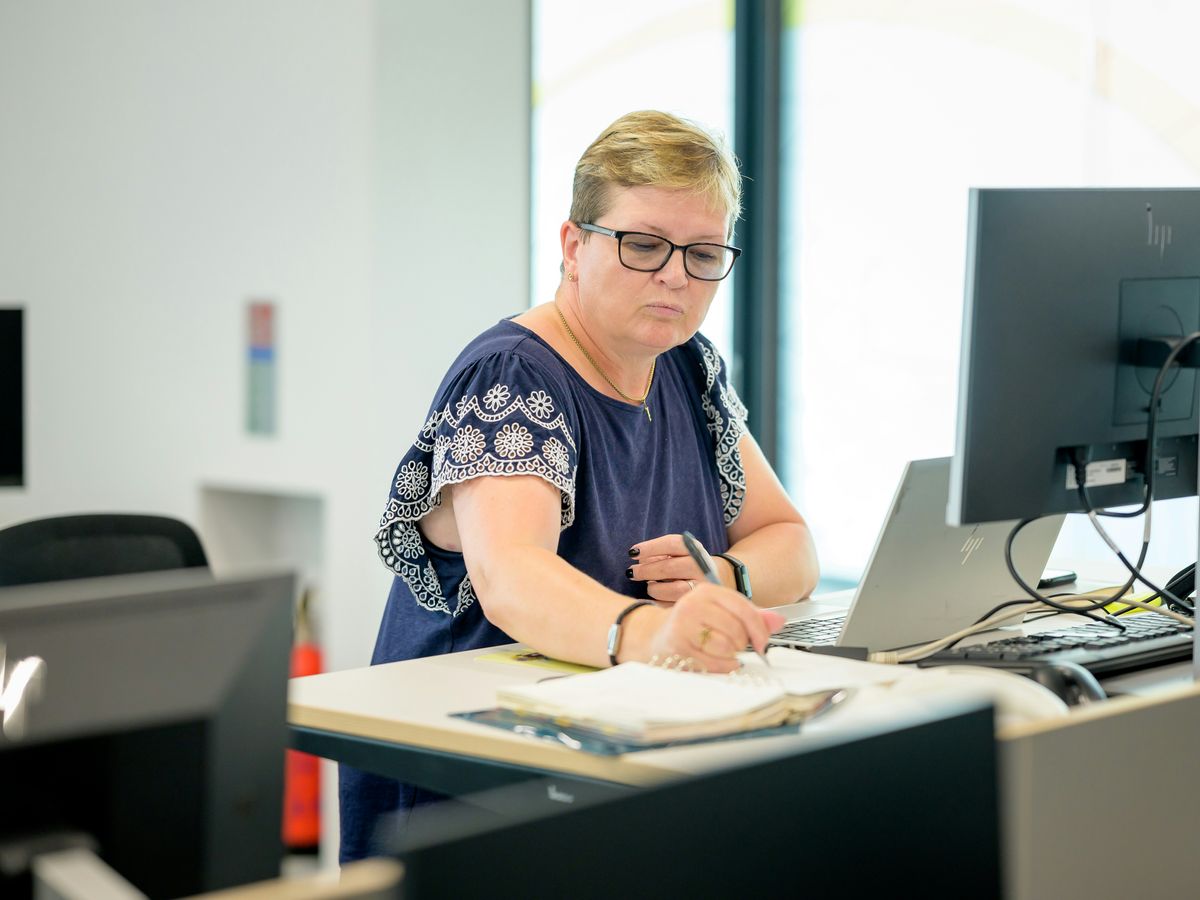
Setting up a manual bookkeeping system can be a straightforward and effective way to manage your business’s finances without relying on complicated software. This guide will help you understand the basics, gather necessary tools, and create a system that works for you. Whether you’re a small business owner or just starting out, this manual bookkeeping system will keep your financial records organized and up-to-date.
Key Takeaways
- Manual bookkeeping is a simple way to track your finances by hand.
- Gather basic supplies like folders and notebooks to stay organized.
- Create a chart of accounts to categorize your income and expenses.
- Regularly record all transactions to keep your books accurate.
- Reconcile your accounts monthly to ensure everything matches.
Understanding the Basics of a Manual Bookkeeping System

Definition and Purpose
A manual bookkeeping system is a traditional way of keeping track of a business’s financial activities by hand. Instead of using software, I write everything down in physical books or journals. This method helps me record income, expenses, and other important financial details. It’s a straightforward approach that many small businesses can use.
Advantages and Disadvantages
There are both good and bad sides to using a manual bookkeeping system. Here are some advantages:
- Cost-effective: I don’t need to buy expensive software or equipment.
- Simple for beginners: It’s easier to learn the basics of accounting without complicated tools.
- Personal touch: I can see everything in my own handwriting, which helps me remember details better.
However, there are also some disadvantages:
- Time-consuming: Writing everything down can take a lot of time.
- Prone to errors: Mistakes can happen easily when I’m writing by hand.
- Difficult to scale: As my business grows, keeping track of everything manually can become overwhelming.
Who Should Use a Manual System
A manual bookkeeping system is best for small businesses with fewer transactions. If I run a small shop or a freelance service, this method can work well. Here are some types of people who might benefit:
- Small business owners: If I have a limited budget, this system is a great choice.
- Freelancers: I can easily track my income and expenses without needing complex software.
- Those who prefer hands-on methods: If I like writing things down, this system suits me perfectly.
In summary, a manual bookkeeping system can be a great way to manage finances, especially for small businesses. It’s important to weigh the pros and cons before deciding if it’s the right fit for me.
Overall, understanding the basics of a manual bookkeeping system helps me make informed choices about managing my business finances effectively.

Essential Tools and Supplies for Manual Bookkeeping

When I decided to set up my manual bookkeeping system, I realized that having the right tools and supplies is crucial. Here’s what I found helpful:
Choosing the Right Materials
To get started, I gathered a few essential items:
- Binders or notebooks: These help keep everything organized.
- Dividers or separator sheets: They make it easy to find what I need.
- Pencils with erasers: Mistakes happen, and it’s good to correct them easily.
- Graph paper or bookkeeping journals: These can be useful for specific tasks.
- Calculator: A must-have for quick calculations.
Organizing Your Workspace
A tidy workspace can make a big difference. Here’s how I organized mine:
- Designate a specific area for bookkeeping tasks.
- Keep all supplies within reach to avoid wasting time.
- Label everything clearly so I can find documents quickly.
Maintaining Your Supplies
To keep my system running smoothly, I make sure to:
- Regularly check my supplies and restock when necessary.
- Keep my workspace clean and clutter-free.
- Update my materials as my bookkeeping needs change.
Remember, having the right tools can make manual bookkeeping much easier and more efficient.
By following these steps, I’ve been able to create a simple yet effective manual bookkeeping system that works for me. It’s all about finding what fits your style and needs!
Setting Up Your Chart of Accounts
Defining Financial Categories
Setting up a chart of accounts is a crucial step in organizing your finances. It’s basically a list of all the different categories where you’ll track your money. This helps you see where your money is coming from and where it’s going. Here are some common categories you might include:
- Assets: Things you own, like cash and equipment.
- Liabilities: Money you owe, like loans.
- Income: Money you earn from sales or services.
- Expenses: Costs you incur, like rent and salaries.
Creating a Customized Chart
Once you know your categories, it’s time to create your chart. You can do this on paper or use a simple spreadsheet. I recommend numbering your accounts for easy reference. For example:
| Account Number | Account Name |
|---|---|
| 1000 | Cash |
| 2000 | Accounts Payable |
| 3000 | Sales Revenue |
| 4000 | Rent Expense |
Updating and Maintaining the Chart
Your chart of accounts isn’t set in stone. As your business grows, you may need to add or change categories. Regularly reviewing your chart ensures it stays relevant. Here are some tips for maintaining it:
- Review quarterly: Check if your categories still make sense.
- Add new accounts: If you start a new service or product line, create a new category.
- Remove outdated accounts: If you no longer use a category, consider removing it to keep things tidy.
Keeping your chart of accounts organized is key to effective bookkeeping. It makes tracking your finances much easier!
Recording Transactions Accurately

When I first started with manual bookkeeping, I realized that keeping track of transactions accurately is crucial. It’s the backbone of my entire financial system. Here’s how I do it:
Documenting Income and Expenses
To make sure I don’t miss anything, I always document every income and expense. I use a simple method:
- Write down the date of the transaction.
- Note the amount involved.
- Describe the transaction briefly.
This helps me keep everything organized and easy to find later.
Using Journals and Ledgers
I find it helpful to use journals and ledgers to record my transactions. Here’s how I set them up:
- Cash Receipts Journal: This is where I record all incoming cash.
- Cash Disbursements Journal: Here, I track all outgoing cash.
- General Journal: I use this for any other transactions that don’t fit into the first two categories.
Ensuring Accuracy and Consistency
To avoid mistakes, I always double-check my entries. Here are my steps:
- Review each entry for accuracy.
- Cross-reference with receipts or invoices.
- Adjust any discrepancies immediately.
Keeping my records accurate not only helps me stay organized but also makes tax time much easier.
By following these steps, I can confidently say that my manual bookkeeping system is effective and reliable. It may take some time, but the effort is worth it for the peace of mind it brings. Remember, regularly updating your records is key to maintaining accuracy!
Developing a Filing System for Receipts and Invoices
Categorizing Documents
To keep my receipts and invoices organized, I categorize them. Here’s how I do it:
- Income: This includes paid invoices, copies of checks, and retail receipts.
- Expenses: I keep paid bills, receipts for purchases, and credit card statements here.
- Bank Statements: I have a separate section for my bank statements, highlighting all deposits and charges.
Storing and Retrieving Files
I use a simple filing system to store my documents. I:
- Use labeled folders for each category.
- Place documents in reverse chronological order, with the most recent on top.
- Regularly check and update my files to ensure everything is current.
Keeping Records Up-to-Date
It’s crucial to keep my filing system up-to-date. At the end of each month, I review my folders and make sure all documents are in their proper places. This way, when tax season comes, I can easily find everything I need. I also make copies of important documents and keep them in a safe place, just in case.
By maintaining a well-organized filing system, I can easily access my financial information whenever I need it, making my bookkeeping process much smoother.
Reconciling Accounts and Preparing Financial Statements

Understanding Reconciliation
Reconciling accounts is a crucial part of keeping your finances in check. It means making sure that the money you have recorded matches what your bank says you have. This process helps catch mistakes and ensures accuracy. I usually do this every month to keep everything organized.
Steps to Reconcile Accounts
Here’s how I typically reconcile my accounts:
- Gather your bank statements for the month.
- Compare each transaction in your records with the bank statement.
- Mark off transactions that match, and note any discrepancies.
- Adjust your records if you find any errors.
Generating Financial Reports
Once I’ve reconciled my accounts, it’s time to prepare financial statements. These reports give me a clear picture of my business’s financial health. Here are the main reports I focus on:
- Income Statement: This shows my revenue and expenses over a specific period.
- Balance Sheet: This outlines my assets, liabilities, and equity at a certain date.
- Cash Flow Statement: This tracks the flow of cash in and out of my business.
Keeping my financial records accurate is essential for understanding how my business is doing. It helps me make informed decisions and plan for the future.
By following these steps, I can ensure that my bookkeeping is accurate and up-to-date. Remember, small business bookkeeping is all about staying organized and on top of your finances!
Best Practices for Maintaining a Manual Bookkeeping System
Maintaining a manual bookkeeping system can be straightforward if you follow some best practices. Here are a few tips that I find helpful:
Regularly Updating Records
Keeping your records up-to-date is crucial. I make it a habit to record transactions daily or weekly. This way, I avoid the stress of catching up later. Here are some steps I follow:
- Write down every income and expense as they happen.
- Use a consistent format for recording entries.
- Review your records at the end of each week to ensure everything is accurate.
Double-Checking Entries
I always double-check my entries to minimize mistakes. It’s easy to make errors when writing by hand. Here’s how I do it:
- After recording a transaction, I read it back to myself.
- I compare my entries with receipts or invoices.
- I ask someone else to review my work occasionally for a fresh perspective.
Exploring Software Options
While I prefer manual bookkeeping, I sometimes look into accounting software for help. Using software can simplify some tasks. Here’s what I consider:
- Look for free or low-cost options that fit my needs.
- Check if the software can help generate reports or automate tasks.
- Use software for backup, ensuring I don’t lose important data.
Remember, a manual bookkeeping system can be effective, but it requires diligence and regular attention to detail. By following these best practices, I can keep my financial records organized and accurate, making my bookkeeping journey much smoother!
Conclusion
In summary, setting up a manual bookkeeping system can be a straightforward and effective way for small businesses to manage their finances. By gathering the right materials and following a clear process, you can keep track of your income and expenses without the need for complicated software. Remember to stay organized, regularly update your records, and double-check your entries to minimize mistakes. This simple system not only helps you understand your financial situation better but also prepares you for tax season. With a little effort, you can create a reliable bookkeeping method that supports your business’s growth.
Frequently Asked Questions
What is a manual bookkeeping system?
A manual bookkeeping system is a way to keep track of a business’s money by writing everything down by hand instead of using computer software.
What are the pros and cons of manual bookkeeping?
The good things about manual bookkeeping are that it’s cheap and easy to learn. But it can take a lot of time, and mistakes can happen more easily.
Who should consider using a manual bookkeeping system?
Small businesses with few transactions or those who are not comfortable with technology might find a manual system helpful.
What supplies do I need for manual bookkeeping?
You will need folders, labels, a two-hole punch, and possibly notebooks or binders to keep everything organized.
How do I keep my records accurate?
Make sure to write down every transaction right away and double-check your work to catch any mistakes.
Can I switch to software later if I start with manual bookkeeping?
Yes, you can always move to accounting software later if your business grows or if you find manual bookkeeping too challenging.


