
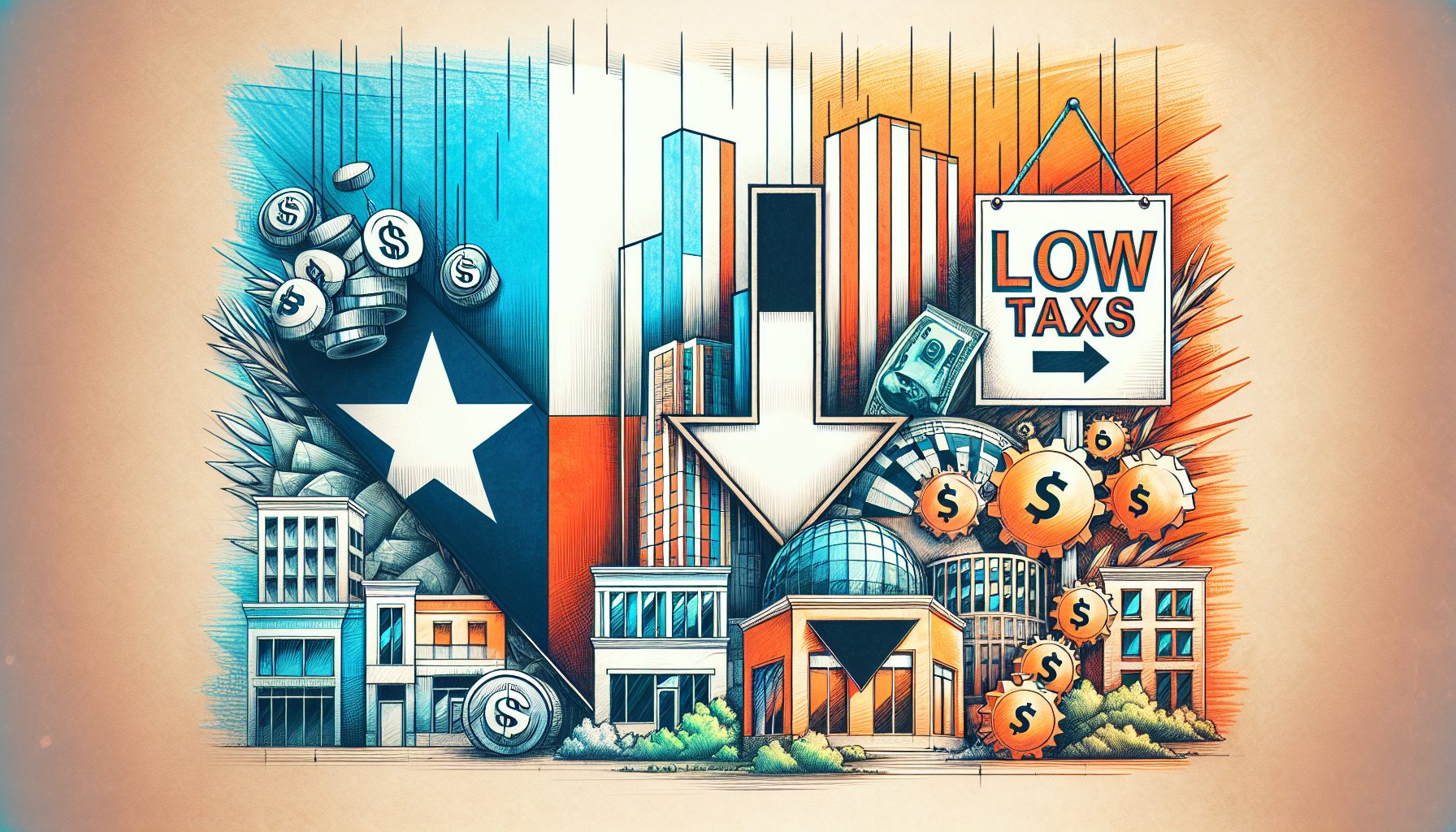
The last decade has seen a strong trend of companies moving to Texas and Florida, largely due to low-tax policies. These migrations have boosted the economy by creating jobs and growth but have also led to discussions about the socio-environmental impacts such as strain on infrastructure, housing, and natural resources. However, most believe the benefits outweigh the challenges.
From 2010 to 2019, Texas and Florida led in attracting companies, with Texas welcoming over 25,000 companies and Florida over 15,000. This led to the creation of 281,000 and 287,000 new jobs respectively. Companies credit favorable tax structures and a growing workforce in these states as the main reasons for their relocation. Furthermore, both states are working to provide incentives to encourage more businesses to relocate.
Other states seeing an influx of businesses are South Carolina, North Carolina, and Arizona. However, Texas is leading due to benefits such as reduced taxes, balanced regulations, and increasing population. Florida and Nevada are also showing promising growth. Industries like technology and healthcare are flourishing in these states, adding to their appeal.
Despite its appeal, California has seen a drop in businesses and employment. The state lost over 44,000 jobs to Texas from 2010 to 2019, approximately 16% of total jobs that moved. Reasons cited include high taxes and cost of living, overregulation, and difficult business climates. Housing in California is also significantly more expensive than in Texas.
The business migration trend appears to mirror population displacement trends. Remote work due to the pandemic has facilitated this shift. The pursuit of a more favorable living environment for employees, coupled with tax-related incentives for companies, has led to people moving to states like Texas and Florida.
Cities like San Francisco are embodying this trend, with the population dropping over 3% since 2020. According to Janelle Fritts, a policy analyst at the Tax Foundation, people are leaving high-cost, high-tax states for regions where taxes and living costs are significantly lower. The low-tax strategies of Texas and Florida have benefited the growth of both their business and population.


