
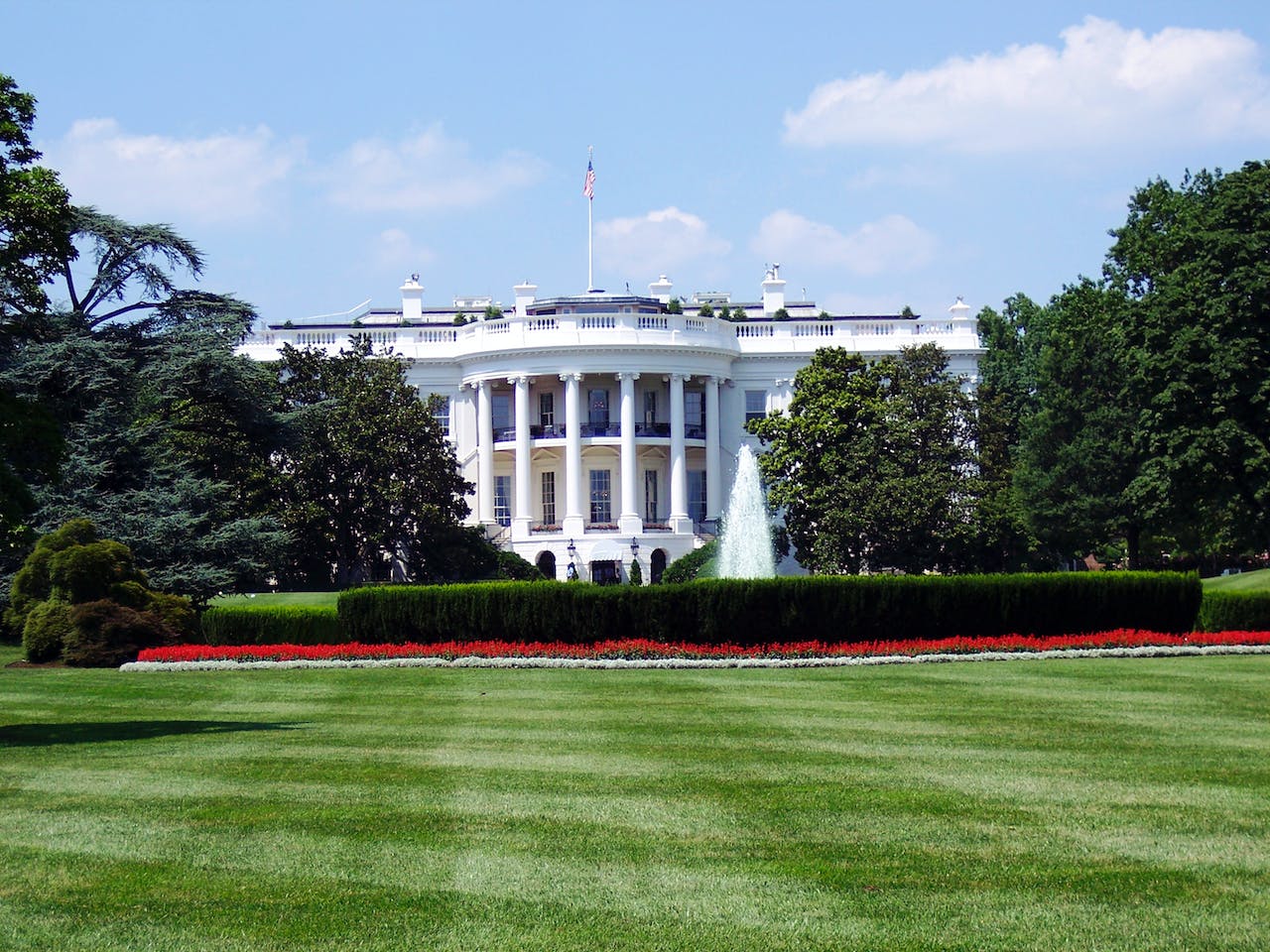
A trustworthy source has disclosed that the forthcoming AI executive order from the Biden Administration, scheduled for release on Monday, extends to over 100 pages, making it one of the lengthiest executive orders in recent history. This information was shared during multiple AI-focused events held in Washington, D.C., this week, including the AI ❤️ DC event that featured a rooftop view of the White House. Participants at these events expressed a mixture of anticipation and curiosity, as they eagerly await the details of this comprehensive mandate. Experts predict that the extensive AI executive order will address various topics, such as privacy, ethical guidelines, funding, and international collaboration.
AI Policy Implementations and Evaluations
The expected AI executive order will mandate that advanced AI models undergo evaluations before being employed by federal staff. The rooftop event was abuzz with speculation about the eagerly anticipated order, with one attendee mentioning her invitation to a White House event scheduled for Monday afternoon. As the government aims to tackle potential biases and mishaps in AI technology, this order will ensure a more streamlined and standardized adoption of AI models across various federal departments. The Monday White House event is expected to shed more light on the matter, as stakeholders eagerly await the administration’s approach to integrating artificial intelligence in governance.
President Biden’s AI Summit
President Biden himself will host the event, titled “Safe, Secure, and Trustworthy Artificial Intelligence.” This summit aims to address the growing concerns regarding the ethical use and development of artificial intelligence while ensuring robust measures for security and privacy. Several renowned experts in AI, as well as industry leaders and policymakers, will come together to discuss potential guidelines, legislation, and innovative practices to shape the future of this rapidly evolving technology.
Global AI Alignment and Collaboration
Some participants at the event pointed out that the release of the executive order coincides with the UK’s announcement of its AI strategy and precedes the probable adoption of the EU’s AI Act by the end of the year. These strategic alignments across the globe indicate the increasing importance and prioritization of artificial intelligence in shaping the future of various sectors. Furthermore, this synchronization of policies facilitates easier collaboration and the exchange of ideas between countries, fostering rapid development and ethical implementation of AI technologies.
Leading the Charge in AI Regulation
This implies that the U.S. seeks to position itself as a front-runner in AI regulation. Consequently, the nation aims to establish a comprehensive framework that fosters innovation while ensuring the ethical development and use of artificial intelligence. This would not only strengthen the American AI ecosystem but also pave the way for global advancements and collaboration in the field.
Leveraging the Federal Government’s Purchasing Power
Although the AI executive order has its constraints, it employs one of the available tools for the Biden Administration to address AI regulation unilaterally – capitalizing on the federal government’s role as a significant technology purchaser. By leveraging this purchasing power, the administration can effectively direct the development and application of AI technologies in a manner that aligns with its regulatory objectives. This strategy not only provides incentives for the private sector to adopt ethical AI practices but also helps set a precedent for responsible AI usage across the nation.
Encouraging AI Audits and Assessments in the Private Sector
The executive order aims to encourage vendors marketing to the government to integrate these audits in their products for non-government clients by requiring advanced AI models to be submitted to audits and assessments before their use by federal employees. In turn, this may lead to a broader adoption of AI auditing practices within the industry, promoting transparency and ethical usage of advanced AI systems across sectors. Additionally, adherence to these stringent regulations will help to ensure that AI models used within the federal government are held to the highest possible standards, mitigating potential risks and biases associated with their implementation.
Frequently Asked Questions
What is the AI executive order?
The AI executive order from the Biden Administration is a comprehensive mandate aiming to address a wide range of topics related to artificial intelligence, such as privacy, ethical guidelines, funding, and international collaboration. It is one of the lengthiest executive orders in recent history, extending to over 100 pages.
What will be the impact of the AI executive order on AI policy implementations and evaluations?
The AI executive order is expected to mandate that advanced AI models undergo evaluations before being employed by federal staff. This will help ensure a more streamlined and standardized adoption of AI models across various federal departments while addressing potential biases and mishaps in AI technology.
What is the purpose of President Biden’s AI Summit?
Titled “Safe, Secure, and Trustworthy Artificial Intelligence,” the summit aims to address growing concerns regarding the ethical use and development of AI while ensuring robust measures for security and privacy. It will bring together AI experts, industry leaders, and policymakers to discuss potential guidelines, legislation, and innovative practices to shape the future of this rapidly evolving technology.
How does the AI executive order relate to global AI alignment and collaboration?
The release of the executive order coincides with the UK’s announcement of its AI strategy and precedes the probable adoption of the EU’s AI Act by the end of the year. This strategic alignment across the globe indicates the increasing importance and prioritization of artificial intelligence in shaping the future of various sectors and facilitates easier collaboration and the exchange of ideas between countries.
How does the AI executive order leverage the federal government’s purchasing power?
The AI executive order capitalizes on the federal government’s role as a significant technology purchaser, effectively directing the development and application of AI technologies in a manner that aligns with regulatory objectives. This provides incentives for the private sector to adopt ethical AI practices and helps set a precedent for responsible AI usage across the nation.
How does the AI executive order encourage AI audits and assessments in the private sector?
By requiring advanced AI models to be submitted to audits and assessments before their use by federal employees, the AI executive order aims to encourage vendors marketing to the government to integrate these practices for non-government clients as well. This may lead to broader adoption of AI auditing practices within the industry, promoting transparency and ethical usage of advanced AI systems across sectors.
Featured Image Credit: Photo by Aaron Kittredge; Pexels; Thank you!


