

Are you passionate about fashion and dream of starting your own boutique business? With the rise of e-commerce and the ability to reach a global audience, now is the perfect time to turn your passion into a profitable venture. In this comprehensive guide, we will walk you through the process of starting a boutique business, from finding your niche to creating an online store and marketing your brand. Get ready to embark on an exciting entrepreneurial journey and make your mark in the fashion industry.
1. Find Your Fashion Niche

Before diving into the world of boutique business, it’s essential to identify your fashion niche. A niche will help you stand out in a crowded market and cater to a specific audience. Consider what type of clothing or accessories you are most passionate about and what sets your style apart from the competition. It could be sustainable fashion, vintage clothing, or unique handmade accessories. By focusing on a specific niche, you can target a specific audience and build a loyal customer base.
To define your fashion niche, ask yourself the following questions:
- What types of clothes or accessories do I love and feel most knowledgeable about?
- Is there a gap in the market for a particular style or aesthetic that I can fill?
- What values or themes do I want my boutique to reflect?
Research your competitors and analyze their offerings to see where you can differentiate yourself. By understanding the market and your target audience, you can tailor your product selection and marketing strategies to meet their needs.
2. Craft Your Brand Identity
Building a strong brand identity is crucial for the success of your boutique business. Your brand should reflect your unique style, values, and target audience. Start by brainstorming keywords and phrases that represent your brand, and use them as a foundation for creating your brand identity.
Consider the following elements when crafting your brand identity:
- Brand Name: Choose a memorable name, reflects your style, and resonates with your target audience. Make sure to check for trademark availability and domain name availability.
- Logo and Visual Identity: Design a logo and visual elements that align with your brand’s style and aesthetic. Use colors, typography, and imagery that convey the essence of your boutique.
- Brand Voice: Develop a brand voice that matches your target audience and brand personality. Are you playful and fun? Sophisticated and elegant? Make sure your brand voice is consistent across all your communication channels.
- Mission and Values: Clearly define your brand’s mission and values. What do you stand for? What makes your boutique unique? Communicate these values through your messaging and content.
Remember, a strong brand identity will help you differentiate yourself from competitors and attract your target audience.
3. Write a Business Plan
A well-crafted business plan is essential for guiding your boutique business and attracting potential investors or lenders. It serves as a roadmap, outlining your goals, strategies, and financial projections. Here are some key components to include in your business plan:
- Executive Summary: Provide an overview of your boutique business, including your mission statement, target market, and competitive advantage.
- Market Analysis: Conduct thorough market research to understand your target audience, competitors, and industry trends. Identify your target market’s needs and preferences, and explain how your boutique will meet those needs.
- Product Line: Describe the types of products you will offer, including the brands or designers you plan to carry. Highlight any unique or exclusive offerings that set your boutique apart.
- Marketing and Sales Strategy: Outline your marketing and sales strategies to attract and retain customers. Include details on your online presence, social media strategy, and any partnerships or collaborations you plan to pursue.
- Financial Projections: Create a realistic financial forecast that includes projected revenue, expenses, and profit margins. Consider startup costs, inventory expenses, marketing expenses, and operational costs.
Writing a business plan will help you clarify your business objectives, identify potential challenges, and ensure you have a solid roadmap for success.
4. Source Your Products
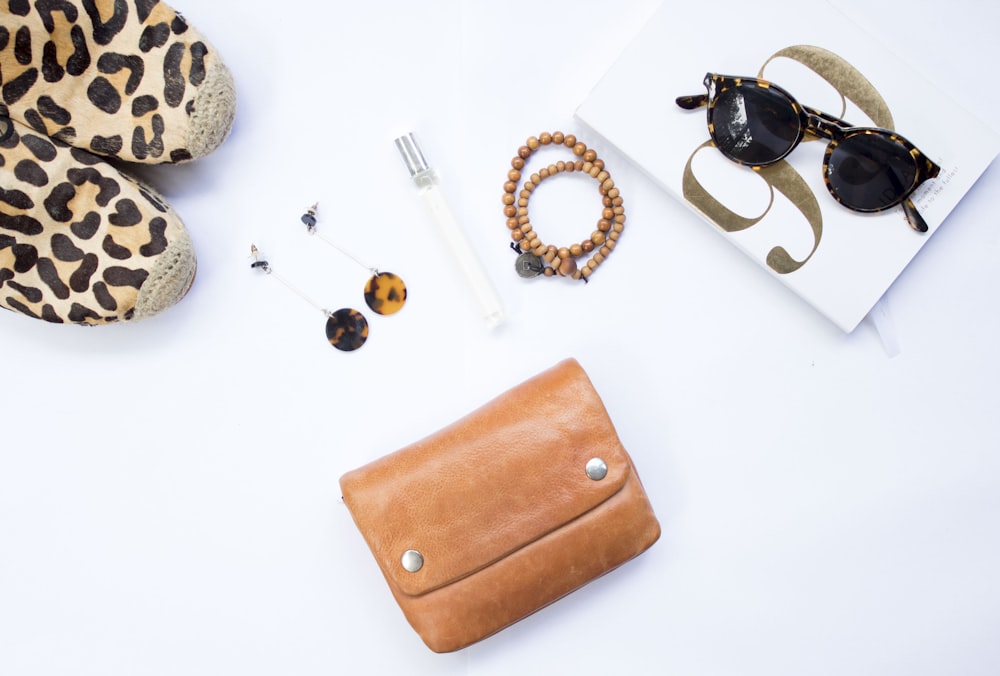
Once you have defined your fashion niche and crafted your brand identity, it’s time to source your products. Depending on your business model, you may choose to manufacture your products, curate products from other brands, or use a combination of both.
Consider the following options for sourcing your products:
- Manufacturing: If you choose to manufacture your products, research manufacturers that align with your brand values and quality standards. It’s essential to establish a strong relationship with your manufacturers and ensure timely production and delivery.
- Curated Selection: Curating a selection of products from other brands allows you to offer a diverse range of styles and designers. Research and partner with brands that align with your brand’s aesthetic and values.
- Handmade or Local Artisans: If you want to offer unique, handmade products, consider partnering with local artisans or independent designers. This allows you to support local talent and offer one-of-a-kind products.
Whichever sourcing method you choose, ensure that the quality of your products aligns with your brand’s standards and that they resonate with your target audience.
5. Create Your Online Store
In today’s digital age, having a strong online presence is essential for the success of your boutique business. Creating an online store allows you to reach a global audience and showcase your products to potential customers worldwide. Follow these steps to create your online store:
- Choose an E-commerce Platform: Select a reliable e-commerce platform that suits your needs. Shopify, for example, provides an easy-to-use platform with customizable templates and integrated payment options.
- Design Your Store: Customize your online store’s design to align with your brand’s visual identity. Use high-quality product images and compelling product descriptions to showcase your products effectively.
- Optimize for Search Engines: Implement SEO strategies to improve your online store’s visibility in search engine results. Conduct keyword research and optimize your product descriptions, meta tags, and URLs.
- Set Up Payment and Shipping Options: Choose secure and convenient payment options for your customers, such as credit card payments or PayPal. Determine your shipping methods and calculate shipping costs based on your products’ weight and dimensions.
- Integrate Social Media: Connect your online store with your social media accounts to drive traffic and increase brand awareness. Use social media plugins to enable easy sharing of your products on various platforms.
Creating an engaging and user-friendly online store is the key to attracting and retaining customers in the highly competitive e-commerce landscape.
6. Develop a Marketing Strategy

To build brand awareness and drive traffic to your online boutique, you need a comprehensive marketing strategy. Consider the following marketing tactics to promote your boutique business:
- Social Media Marketing: Leverage social media platforms like Instagram, Facebook, and Pinterest to showcase your products, engage with your audience, and drive traffic to your online store. Use high-quality visuals, compelling captions, and relevant hashtags to increase your reach.
- Influencer Collaborations: Partner with influencers or micro-influencers in your niche to promote your products to their audience. Choose influencers whose style and values align with your brand to ensure an authentic partnership.
- Content Marketing: Create valuable and engaging content that resonates with your target audience. This can include blog posts, styling tips, trend reports, or behind-the-scenes videos. Share your content on your website and social media platforms to establish yourself as an authority in your niche.
- Email Marketing: Build an email list and send regular newsletters to your subscribers. Offer exclusive discounts, new product launches, or styling tips to incentivize customers to stay engaged with your brand.
- Collaborations and Partnerships: Collaborate with complementary brands or local businesses to cross-promote each other. This can include hosting joint events, creating co-branded products, or featuring each other’s products on your websites.
By implementing a well-rounded marketing strategy, you can increase brand visibility, attract new customers, and foster long-term relationships with your target audience.
7. Provide Exceptional Customer Service
Delivering exceptional customer service is crucial for building a loyal customer base and establishing a positive brand reputation. Here are some tips for providing outstanding customer service:
- Prompt and Personalized Communication: Respond to customer inquiries and messages in a timely and personalized manner. Show genuine care and empathy when addressing customer concerns or issues.
- Easy Return and Exchange Policy: Implement a clear and hassle-free return and exchange policy to instill confidence in your customers. Make the process seamless and customer-friendly to encourage repeat purchases.
- Product Knowledge and Recommendations: Train your staff or educate yourself on your products’ features, materials, and care instructions. Be prepared to offer personalized recommendations and styling advice to customers.
- Reward Loyalty: Implement a loyalty program or offer exclusive discounts and perks to your loyal customers. Show appreciation for their support and encourage repeat purchases.
Providing exceptional customer service will not only lead to customer satisfaction but also generate positive word-of-mouth recommendations and repeat business.
8. Monitor and Analyze Your Performance
Regularly monitoring and analyzing your boutique business’s performance is crucial for identifying areas of improvement and making informed business decisions. Here are some key performance indicators (KPIs) to track:
- Sales and Revenue: Monitor your sales and revenue to gauge the effectiveness of your marketing strategies and product offerings. Identify your top-selling products and analyze customer buying patterns.
- Website Traffic: Track your website’s traffic using tools like Google Analytics. Monitor the number of visitors, their demographics, and the sources driving traffic to your site. Use this data to optimize your marketing efforts.
- Customer Engagement: Measure customer engagement metrics such as social media likes, comments, and shares. Monitor the click-through rates of your email campaigns to determine customer interest and engagement.
- Conversion Rate: Evaluate your conversion rate, which measures the percentage of visitors who make a purchase. Identify any bottlenecks in the customer journey and optimize your website and checkout process to improve conversions.
By regularly analyzing your performance metrics, you can make data-driven decisions to grow your boutique business and adapt to changing market trends.
9. Stay Updated with Fashion Trends
The fashion industry is constantly evolving, and it’s essential to stay updated with the latest trends and consumer preferences. Keep an eye on industry publications, fashion blogs, and social media influencers to stay ahead of the curve. Attend fashion shows, trade fairs, and networking events to connect with other industry professionals and discover emerging designers.
Invest in trend forecasting services or subscribe to fashion magazines to gain insights into upcoming trends and styles. By staying informed and adapting to changing consumer preferences, you can keep your boutique business relevant and appealing to your target audience.
10. Scale Your Boutique Business
Once your boutique business is thriving, you may consider expanding and scaling your operations. Here are some strategies to help you grow your boutique business:
- Expand Your Product Range: Introduce new product categories or collaborate with designers to offer exclusive collections. Continuously assess your customers’ needs and preferences and adapt your product offerings accordingly.
- Open a Physical Store: Consider opening a brick-and-mortar store to complement your online presence. A physical store allows customers to experience your products firsthand and provides an opportunity for personal interactions.
- Explore Wholesale Opportunities: Sell your products to other retailers or consider partnering with department stores or online marketplaces. Wholesale opportunities can significantly expand your reach and increase sales volume.
- International Expansion: If your online boutique has gained traction in your local market, explore opportunities for international expansion. Research international shipping options, customs regulations, and target markets to successfully enter new territories.
Remember, scaling your boutique business requires careful planning, strategic partnerships, and continuous innovation to ensure sustainable growth.
11. Embrace Technology and Automation
In today’s digital landscape, technology and automation play a crucial role in streamlining business operations and enhancing the customer experience. Embrace technology solutions that can simplify tasks and improve efficiency, such as:
- Inventory Management Software: Implement inventory management software to track stock levels, streamline order fulfillment, and prevent stockouts or overstock situations.
- Customer Relationship Management (CRM) Software: Use a CRM system to manage customer data, track interactions, and personalize marketing efforts. This will help you nurture customer relationships and provide personalized recommendations.
- E-commerce Platforms: Leverage e-commerce platforms like Shopify to automate processes such as inventory management, order fulfillment, and payment processing. These platforms provide built-in tools and integrations to streamline your operations.
By embracing technology and automation, you can focus on growing your boutique business and providing an exceptional customer experience.
12. Stay Inspired and Evolve
The fashion industry is a dynamic and ever-changing landscape, and it’s important to stay inspired and continuously evolve your boutique business. Keep abreast of industry trends, consumer preferences, and technological advancements to stay ahead of the competition.
Attend industry events, network with other professionals, and seek inspiration from fashion influencers and designers. Embrace feedback from your customers and be open to adapting your business strategies to meet their evolving needs.
Remember, starting a boutique business is an exciting and challenging journey. Stay passionate, innovative, and committed to delivering exceptional products and experiences to your customers. With the right strategies and a strong brand identity, you have the power to succeed in the competitive world of fashion.
Wrapping Up
Embarking on the journey of starting your own boutique is an exciting endeavor that marries passion with entrepreneurship. The fashion industry, while competitive, offers immense potential for those who can carve out a unique niche and cater to specific market demands. By adhering to the steps outlined in this guide, from identifying your niche to leveraging the power of e-commerce and crafting a compelling brand identity, you are setting the foundation for a successful business.
Starting a boutique requires more than just an eye for fashion; it demands dedication, strategic planning, and a deep understanding of your target audience. The initial step of developing a comprehensive business plan cannot be overstated. It serves not only as a roadmap for your venture but also as a tool to attract potential investors and guide your strategic decisions.
The digital landscape has transformed the retail industry, providing boutique owners with the tools to reach a global audience. An effective online presence, combined with a strong marketing strategy and exceptional customer service, can elevate your brand and build a loyal customer base.
Remember, the journey of entrepreneurship is a marathon, not a sprint. It will require patience, resilience, and continuous learning. Stay updated with the latest fashion trends and industry shifts to keep your boutique relevant and appealing. Embrace feedback from your customers and be willing to adapt and evolve your product offerings and marketing strategies accordingly.
Finally, never underestimate the power of networking and building relationships within the fashion community. Collaborate with other designers, attend fashion events, and engage with your customers through social media and other platforms. These connections can provide invaluable support, inspiration, and opportunities for growth.
In conclusion, while the path to starting a boutique may be filled with challenges, the rewards of seeing your vision come to life are immeasurable. With careful planning, a clear understanding of your market, and a commitment to your brand, you can turn your passion for fashion into a thriving boutique business. Dive into this adventure with enthusiasm and determination, and make your mark in the fashion world. Your journey starts now.
FAQ: Starting and Running a Boutique
How much does it cost to start a boutique?
The cost varies widely based on location, size, and inventory. Starting a small boutique can range from $50,000 to $150,000. This includes rent, renovation, initial inventory, marketing, and other startup costs.
How do I start my own boutique?
- Develop a business plan outlining your vision, target market, and financial projections.
- Choose a good location that attracts your target audience.
- Source your inventory from reliable suppliers.
- Set up your store, considering design and customer experience.
- Market your boutique through social media, local advertising, and community events.
- Open your boutique and provide excellent customer service to build a loyal customer base.
Is owning a boutique profitable?
Yes, owning a boutique can be profitable if managed well. Profitability depends on factors like location, inventory management, marketing, and customer service.
How many items should you start a boutique with?
The initial inventory should be substantial enough to fill the store without looking sparse but not so much that it overwhelms the space or leads to excess stock. A good starting point could be 100 to 500 items, depending on your space and budget.
How much do boutique owners make a month?
Earnings vary based on location, sales volume, and expenses. On average, boutique owners can make between $2,000 to $10,000 a month, after expenses.
What is the average profit of a boutique?
The average profit margin for a boutique ranges from 10% to 20%, depending on factors like overhead costs, pricing strategy, and sales volume.
How long does it take for a boutique to become profitable?
Most boutiques start seeing profit within the first two to three years. Success depends on effective inventory management, marketing, and customer service.
What does a boutique owner do?
A boutique owner manages the store’s day-to-day operations, selects and purchases inventory, sets prices, markets the business, provides customer service, and handles finances and administrative tasks.
How much do most boutiques pay?
Salaries and payments vary widely. For employees, pay can range from minimum wage to higher salaries based on position and experience. Owners’ income can vary greatly based on the boutique’s profitability and operating expenses.
Featured Image Credit: Photo by Aviv Rachmadian; Unsplash – Thank you!


