
US stock markets fell sharply on Tuesday as new reports showed increasing pessimism among American consumers about the economy. The S&P 500 dropped 0.5%, having been down as much as 1.2% during the day. This was a significant decline for the index, which had been performing well until last week.
The Nasdaq composite also sank 1.4%, driven by falling values in major tech companies. The Dow Jones Industrial Average rose by 159 points, or 0.4%, due to gains in other sectors. However, the broader US stock market has struggled since the middle of last week following a series of weaker-than-expected economic reports.
A key factor in Tuesday’s slump was a report from The Conference Board indicating a significant decline in consumer confidence. This downturn was more severe than economists had forecast and spanned across various income levels and age groups. For the first time since June, a measure of consumers’ short-term economic expectations dropped below a threshold that typically signals a recession.
“There was a sharp increase in the mentions of trade and tariffs, back to a level unseen since 2019,” said Stephanie Guichard, senior economist, global indicators at The Conference Board.
Consumer sentiment impacts US stocks
“Most notably, comments on the current administration and its policies dominated the responses.”
President Donald Trump’s administration attributed the drop in confidence to the lingering effects of his predecessor’s policies.
Nevertheless, it highlighted recent investments by major companies like Apple and improved CEO confidence as signs of potential growth. Wall Street closely monitors consumer confidence as strong consumer spending is crucial for economic stability. However, Tuesday’s findings echoed a similar sentiment from the University of Michigan, showing consumers are currently hesitant about future economic conditions.
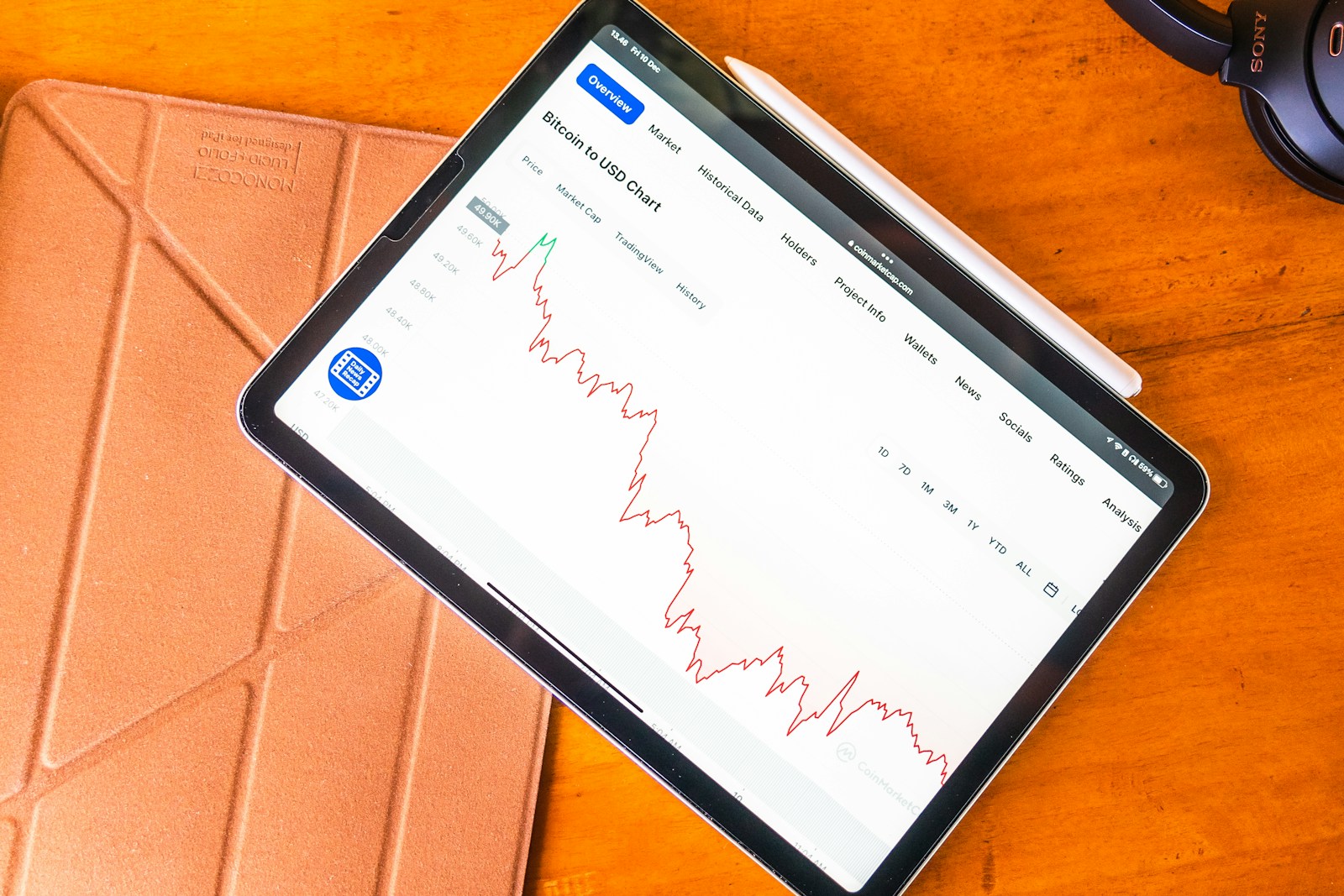
The pessimism significantly impacted high-momentum areas of the market, which had previously seen substantial investment interest. Tech giants Nvidia and Tesla suffered drops of 2.8% and 8.4%, respectively, heavily weighing down the S&P 500. Cryptocurrency-related stocks also fell, with Bitcoin retreating towards $88,000.
This decline affected companies such as MicroStrategy, which saw its stock drop by 11.4%. Zoom Communications also faced a notable decrease, with its shares falling by 8.5%. Overall, the stock market is grappling with the impacts of consumer sentiment and its broader implications for the US economy.
Investors are closely watching for any signs of a potential recession and how the current administration’s policies may affect economic growth in the coming months.
Photo by; Ayadi Ghaith on Unsplash


