

The Superfund Amendments and Reauthorization Act (often called the Superfund amendments act) is an important law in the United States that focuses on cleaning up polluted sites. This article will explore its history, main goals, and how it has changed over time. We will also look at how this act affects the environment, the roles of different groups, and what the future may hold for environmental laws.
Key Takeaways
- The Superfund amendments act helps clean up hazardous waste sites to protect public health and the environment.
- It was created to improve the original Superfund law and make the cleanup process faster and more effective.
- Community involvement is important, and local voices are heard in decision-making about cleanup efforts.
- The act has influenced other environmental laws and policies since it was passed.
- New technologies and scientific research are key to effective cleanup and monitoring of hazardous sites.
Overview of the Superfund Amendments and Reauthorization Act
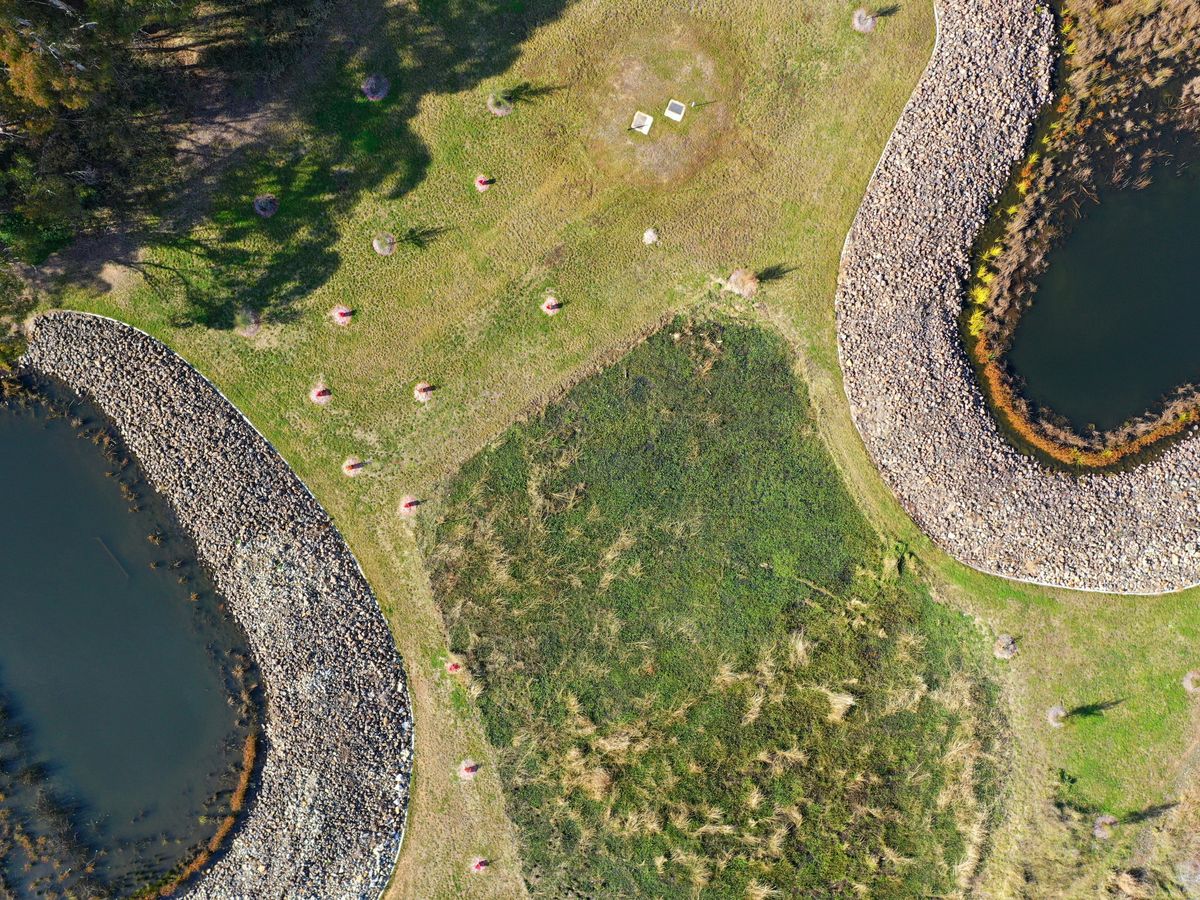
The Superfund Amendments and Reauthorization Act (SARA) is a significant piece of legislation that was created to improve the cleanup of hazardous waste sites. This act was passed in 1986 to address the shortcomings of the original Superfund law. It aimed to make the cleanup process more effective and to ensure that communities are better informed about hazardous substances in their areas.
Historical Context of the Act
Before SARA, the original Superfund law was established in 1980. It was designed to clean up sites contaminated with hazardous waste. However, many people felt that the law was not doing enough. As a result, SARA was introduced to strengthen the original law and provide more resources for cleanup efforts.
Key Objectives and Goals
The main goals of SARA include:
- Enhancing public participation in the cleanup process.
- Ensuring that cleanup standards are more stringent.
- Providing more funding for the cleanup of hazardous waste sites.
Legislative Evolution
Over the years, SARA has undergone several changes to adapt to new environmental challenges. These changes have helped to improve the effectiveness of the Superfund program and ensure that it meets the needs of communities affected by hazardous waste. The act has also influenced other environmental laws and policies, making it a cornerstone of U.S. environmental legislation.
SARA represents a commitment to protecting public health and the environment from the dangers of hazardous waste.
In summary, the Superfund Amendments and Reauthorization Act plays a crucial role in how we manage hazardous waste in our communities. It has evolved to meet the needs of the public and the environment, making it an essential part of our environmental policy.
Major Provisions of the Superfund Amendments and Reauthorization Act
Emergency Planning and Community Right-to-Know
One of the key parts of the Superfund Amendments and Reauthorization Act is about emergency planning. This means that communities need to be ready for any hazardous substance emergencies. It’s crucial for local governments to inform the public about potential risks. They must create plans to handle emergencies and keep everyone safe.
Hazardous Substance Response Trust Fund
The Act also set up a special fund called the Hazardous Substance Response Trust Fund. This fund is used to clean up sites that are polluted with hazardous waste. The money comes from taxes on the chemical and petroleum industries. This ensures that those who create pollution help pay for cleaning it up.
State and Local Government Roles
State and local governments play a big role in the Superfund program. They work together with federal agencies to manage cleanups. Here are some of their responsibilities:
- Developing cleanup plans
- Monitoring progress
- Engaging with the community
The collaboration between federal, state, and local governments is essential for effective cleanup efforts.
In summary, the Superfund Amendments and Reauthorization Act has important provisions that help protect our communities from hazardous waste. By focusing on emergency planning, funding for cleanups, and the roles of different governments, we can work towards a safer environment.

Impact on Environmental Policy and Regulation

Strengthening Environmental Standards
The Superfund Amendments and Reauthorization Act (SARA) has played a crucial role in enhancing environmental standards. One of the key impacts of SARA is its focus on protecting public health and the environment. This means that stricter rules are now in place to ensure that hazardous waste sites are cleaned up properly.
Influence on Subsequent Legislation
SARA has also influenced other laws that deal with environmental issues. It set a precedent for future legislation by showing how important it is to have a strong response to hazardous waste. This has led to more laws aimed at protecting our environment and communities.
Role in Hazardous Waste Management
In terms of hazardous waste management, SARA has established a framework that helps local and state governments manage waste more effectively. Here are some key points about its role:
- It provides funding for cleanup efforts through the Hazardous Substance Response Trust Fund.
- It encourages community involvement in decision-making processes.
- It emphasizes the need for regular monitoring of hazardous sites.
Overall, SARA has made a significant impact on how we approach environmental policy and regulation. It has paved the way for better practices and stronger protections for our communities and the environment.
Case Studies and Real-World Applications

Notable Superfund Sites
In my exploration of the Superfund Amendments and Reauthorization Act, I found several notable Superfund sites that highlight the Act’s impact. One of the most famous is Love Canal in New York. This site became a symbol of the environmental movement after residents discovered toxic waste buried beneath their homes. The cleanup efforts here led to significant changes in how we handle hazardous waste.
Success Stories and Challenges
While there are many success stories, there are also challenges. For instance, the cleanup at the Hudson River site in New York has seen progress, but it has faced delays and disputes over the best methods to use. Here are some key points:
- Successes: Many sites have been cleaned up and are now safe for public use.
- Challenges: Some areas still struggle with contamination and require ongoing monitoring.
- Community Involvement: Local communities often play a crucial role in advocating for their health and safety.
Lessons Learned from Implementation
From these case studies, I’ve learned that the Superfund program is not just about cleaning up sites; it’s also about learning from each situation. Here are a few lessons:
- Community engagement is vital for successful cleanups.
- Flexibility in methods can lead to better outcomes.
- Continuous monitoring is essential to ensure long-term safety.
The journey of cleaning up hazardous sites is complex, but it teaches us valuable lessons about protecting our environment and communities.
Stakeholder Perspectives and Involvement
Community and Public Health Advocacy
As someone who cares deeply about our environment, I see how important it is for communities to have a voice. Community groups often push for better safety measures and cleanup efforts. They want to ensure that their health is protected from hazardous waste. These groups work hard to raise awareness and advocate for stronger regulations. They often organize meetings and campaigns to inform the public about potential dangers and the need for action.
Industry and Business Reactions
On the other hand, businesses have their own views. Many companies worry about the costs of compliance with the Superfund Amendments. They often feel that regulations can be too strict, making it hard for them to operate. However, some businesses also see the value in being environmentally responsible. They understand that a clean environment can lead to a better community and, ultimately, a better market for their products.
Government and Regulatory Agency Views
From the perspective of government agencies, the Superfund Amendments are crucial for protecting public health and the environment. These agencies work to enforce the laws and ensure that companies follow the rules. They also provide support to communities affected by hazardous waste. Their role is vital in making sure that cleanup efforts are effective and that the public is informed about risks.
In summary, the perspectives of different stakeholders are essential in shaping environmental policies. Each group has its own concerns and goals, but they all play a part in the bigger picture of environmental protection.
Understanding these perspectives helps us find common ground and work together for a cleaner, safer future.
Future Directions and Amendments

As we look ahead, the Superfund Amendments and Reauthorization Act (SARA) is likely to see some important changes. These changes aim to improve how we handle hazardous waste and protect our communities. Here are some key areas to consider:
Proposed Changes and Updates
- Increased Funding: There is a push for more money to clean up contaminated sites.
- Stricter Regulations: New rules may be introduced to ensure better safety standards.
- Community Involvement: More efforts are being made to involve local communities in decision-making processes.
Ongoing Challenges and Opportunities
- Funding Shortages: Many sites still need attention, but funds are limited.
- Public Awareness: Educating the public about hazardous waste is crucial.
- Technological Advances: New technologies can help in cleaning up sites more effectively.
Predictions for Environmental Legislation
Looking into the future, I believe we will see:
- More collaboration between federal and state agencies.
- Innovative cleanup methods that use technology.
- Stronger penalties for companies that violate environmental laws.
The future of SARA is about making our environment safer and ensuring that everyone has a voice in the process.
In summary, the future of the Superfund Amendments and Reauthorization Act is focused on improving safety, increasing funding, and involving communities more in the cleanup process. We must stay informed and engaged to make a difference in our environment.
Legal and Compliance Aspects
Regulatory Requirements for Businesses
As a business owner, I need to understand the rules that come with the Superfund Amendments and Reauthorization Act. These rules are important because they help protect our environment and public health. Here are some key requirements:
- Report any hazardous waste: If my business produces hazardous waste, I must report it to the right authorities.
- Follow cleanup guidelines: I need to make sure that any cleanup of hazardous waste is done according to the law.
- Keep records: It’s essential to keep detailed records of waste management practices.
Enforcement and Penalties
If I don’t follow these rules, there can be serious consequences. The government can impose penalties, which might include:
- Fines: I could be fined a lot of money for not complying.
- Legal action: The government might take legal action against my business.
- Cleanup costs: I could be responsible for paying for cleanup if my business causes pollution.
Legal Precedents and Case Law
Understanding past legal cases can help me see how the law is applied. Some important points include:
- Court decisions: Previous court rulings can influence how laws are enforced today.
- Case studies: Looking at real-life examples helps me understand the impact of the law.
- Changes over time: Laws can change, so I need to stay updated on any new developments.
Staying informed about legal requirements is crucial for my business. It not only helps me avoid penalties but also contributes to a healthier environment for everyone.
In summary, the Superfund Amendments and Reauthorization Act has specific rules that I must follow as a business owner. By understanding these regulations, I can help protect our environment and ensure my business operates legally. Compliance is key to avoiding penalties and contributing positively to our community.
Technological and Scientific Advances
Innovations in Hazardous Waste Cleanup
In recent years, we have seen exciting new technologies that help clean up hazardous waste. These innovations make the cleanup process faster and safer. Some of the key advancements include:
- Bioremediation: This method uses living organisms, like bacteria, to break down harmful substances in the environment.
- Nanotechnology: Tiny particles are used to remove pollutants from soil and water, making the cleanup more effective.
- Chemical Oxidation: This technique involves using chemicals to change harmful substances into less dangerous ones.
Role of Technology in Compliance
Technology plays a big role in helping businesses follow environmental laws. Here are some ways it helps:
- Monitoring Systems: These systems track pollution levels in real-time, ensuring companies stay within legal limits.
- Data Management: Software helps manage and report environmental data, making it easier for companies to comply with regulations.
- Training Tools: Online training programs help employees understand environmental laws and best practices.
Scientific Research and Environmental Monitoring
Ongoing research is crucial for improving our understanding of environmental issues. Some important areas of focus include:
- Impact Studies: Research on how hazardous waste affects human health and ecosystems.
- New Cleanup Methods: Scientists are always looking for better ways to clean up contaminated sites.
- Long-term Monitoring: Studies that track the effectiveness of cleanup efforts over time.
The future of environmental protection relies on our ability to adapt and innovate. By embracing new technologies, we can create a cleaner, safer world for everyone.
In conclusion, technological and scientific advances are essential for effective hazardous waste management. They not only improve cleanup efforts but also help ensure compliance with environmental regulations. As we move forward, it’s important to continue investing in these innovations to protect our planet.
Conclusion
In summary, the Superfund Amendments and Reauthorization Act (SARA) plays a crucial role in protecting our environment and public health. By improving the cleanup process for hazardous waste sites, SARA ensures that communities can recover from past pollution. It also emphasizes the importance of involving local people in decision-making, which helps build trust and support for cleanup efforts. Overall, SARA is a vital tool that helps make our world safer and cleaner for everyone.
Frequently Asked Questions
What is the Superfund Amendments and Reauthorization Act?
The Superfund Amendments and Reauthorization Act, often called SARA, is a law that helps clean up areas polluted by hazardous waste. It was designed to improve the process of cleaning up these sites and to ensure that communities are safe.
Why was SARA created?
SARA was created to fix issues with the original Superfund law. It aimed to make cleaning up toxic sites faster, more effective, and to involve local communities in the process.
How does SARA help local communities?
SARA gives local communities the right to know about hazardous materials in their area. It also encourages their involvement in cleanup efforts, making sure their voices are heard.
What are the main parts of SARA?
SARA has several important parts, including funding for cleanup projects, rules for emergency planning, and guidelines for how businesses should handle hazardous waste.
How does SARA affect businesses?
Businesses must follow SARA’s rules when dealing with hazardous waste. This includes reporting spills and making sure they clean up any pollution they cause.
What is the future of SARA?
The future of SARA may include updates to improve its effectiveness. Ongoing challenges like new types of pollution and climate change will require new solutions.


