

In inventory management, understanding the concept of Standard Quantity Allowed (SQA) is crucial for maintaining efficiency and controlling costs. SQA refers to the predetermined amount of inventory that should be on hand to meet production and customer demand. This article explores its significance, methods for determining it, and best practices for implementation, ensuring businesses can optimize their inventory systems effectively.
Key Takeaways
- Standard Quantity Allowed helps businesses maintain the right stock to meet demand.
- Using historical data and demand forecasting can improve accuracy in setting SQA.
- Different inventory systems like JIT and two-bin systems can effectively implement SQA.
- Regular reviews of inventory levels and safety stock are essential for smooth operations.
- Technology, such as inventory management software, plays a key role in managing SQA efficiently.
The Importance of Standard Quantity Allowed in Inventory Management
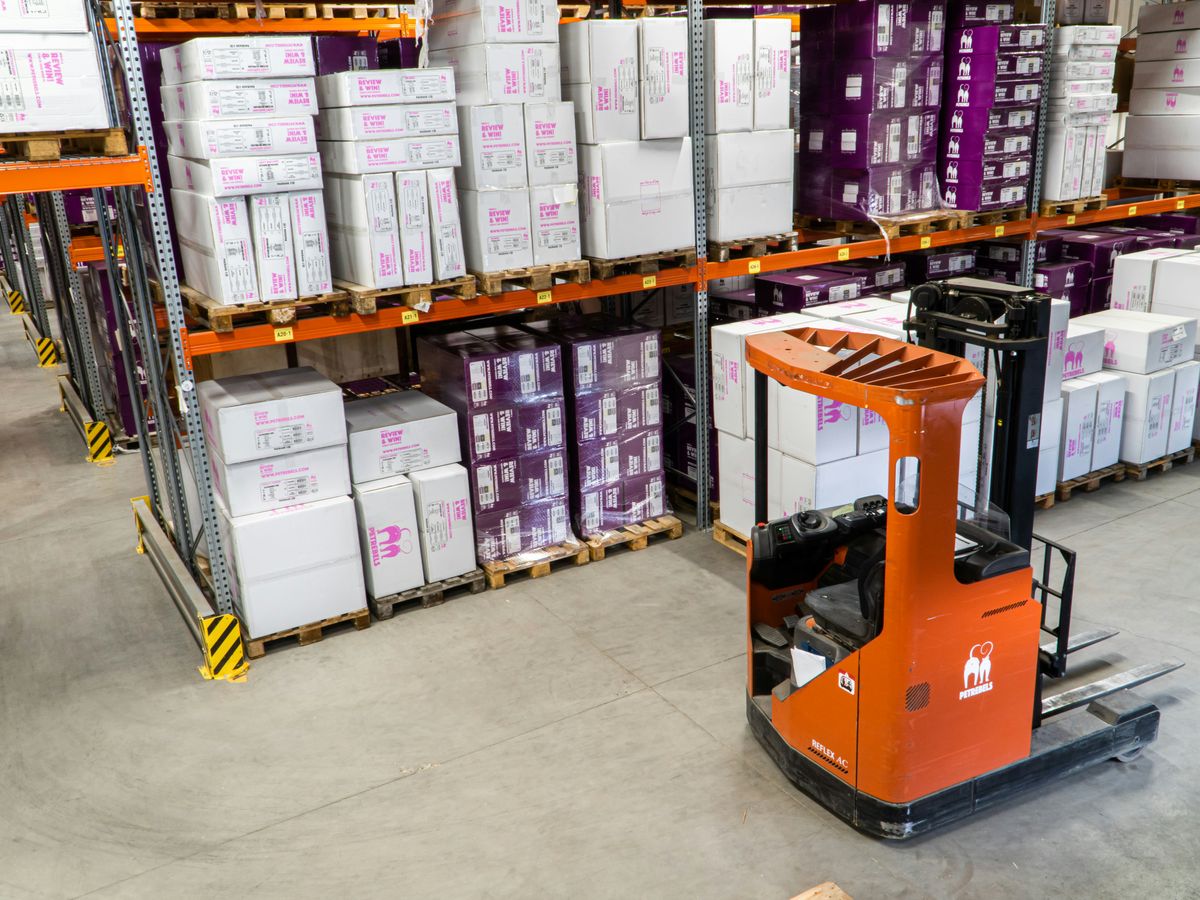
Defining Standard Quantity Allowed
In inventory management, the Standard Quantity Allowed refers to the ideal amount of stock that should be maintained to meet customer demand without overstocking. This helps businesses operate smoothly and efficiently.
Why It Matters in Inventory Control
Understanding the standard quantity is crucial for several reasons:
- It prevents stockouts, ensuring that products are available when customers need them.
- It reduces excess inventory, which can lead to higher storage costs.
- It helps in planning and forecasting, making it easier to manage cash flow.
Impact on Cost Management
When I manage inventory effectively, I notice a significant impact on costs. Keeping the right amount of stock can:
- Lower storage expenses.
- Minimize waste from unsold goods.
- Improve cash flow by freeing up capital tied in excess inventory.
Maintaining the right standard quantity is not just about having enough stock; it’s about optimizing resources and ensuring customer satisfaction.
Understanding and implementing the standard quantity allowed is essential for effective inventory management. It streamlines operations and contributes to overall business success.
The best inventory management software can help track these quantities effectively, ensuring that businesses stay on top of their inventory needs.
Methods to Determine Standard Quantity Allowed
Knowing how to determine the standard quantity allowed is crucial when managing inventory. Here are some effective methods I use:
Historical Data Analysis
One of the first steps I take is to look at past data. I can identify patterns and trends by analyzing historical sales and inventory levels. This helps me set a baseline for the standard quantity, which can lead to more accurate inventory levels.
Demand Forecasting Techniques
Next, I employ demand forecasting techniques. This involves predicting future sales based on various factors like seasonality and market trends. I often use methods such as:
- Moving averages
- Exponential smoothing
- Regression analysis
These techniques help me adjust the standard quantity to meet the expected demand.
Supplier Reliability Assessment
Lastly, I assess supplier reliability. Understanding how dependable my suppliers are can influence the standard quantity I set. If a supplier often delays shipments, I might need to keep a higher standard quantity to avoid stockouts.
In summary, determining the standard quantity allowed is not just about numbers; it’s about understanding the bigger picture of supply and demand.
Combining these methods allows me to create a more effective inventory management strategy that minimizes costs and meets customer needs. This is especially important when setting up your supply chain for peak shopping season.
| Method | Description |
|---|---|
| Historical Data Analysis | Analyzing past sales data to identify trends. |
| Demand Forecasting Techniques | Predicting future sales based on various factors. |
| Supplier Reliability Assessment | Evaluating supplier performance and reliability. |
Implementing Standard Quantity Allowed in Different Inventory Systems

When managing inventory, understanding how to implement the Standard Quantity Allowed is crucial. Here are some common systems I’ve found effective:
Just-in-Time (JIT) Inventory
In a JIT system, I align my orders with the production schedule. This means I only have the materials I need when I need them. This helps reduce waste and costs. However, I must be careful about relying too much on suppliers, as delays can lead to stockouts.
Two- or Three-Bin System
This method uses two or three containers for the same item. When one bin is empty, I switch to the other. This helps me keep track of when to reorder. But I’ve noticed that it can be tricky during busy times when demand spikes. I might not always know how much stock I have on hand.
Fixed Order Quantity
With this approach, I order a specific item amount each time. This keeps my orders consistent and helps avoid mistakes. I can also link this to automatic reorder points, making it easier to manage my inventory.
| Inventory System | Key Feature | Pros | Cons |
|---|---|---|---|
| Just-in-Time (JIT) | Orders align with production | Reduces waste and costs | Risk of stockouts |
| Two- or Three-Bin System | Uses multiple bins for tracking | Simple to implement | Hard to manage during spikes |
| Fixed Order Quantity | Specific amount ordered each time | Consistent ordering | May not adapt to demand changes |
Implementing the right system can make a big difference in how I manage my inventory. It’s all about finding what works best for my needs and being flexible enough to adapt when necessary.
By understanding these systems, I can better manage my inventory and ensure I have the right amount of stock at the right time. This is essential for keeping my operations running smoothly and efficiently. Technology and digital analysis can simplify a variety of inventory-related tasks, including tracking stock, forecasting demand, reducing theft, and more.
Challenges and Solutions in Maintaining Standard Quantity Allowed

Handling Supplier Variability
One of the biggest challenges I face is supplier variability. Sometimes, suppliers don’t deliver on time or provide the right amount of stock. This can lead to shortages or excess inventory. To tackle this, I always keep a close relationship with my suppliers. Regular communication helps me understand their capabilities and plan better.
Managing Unexpected Demand
Another issue is unexpected demand. Sometimes, a product suddenly becomes popular, and I can’t keep up. To manage this, I use a few strategies:
- Monitor sales trends regularly to spot potential spikes in demand.
- Keep safety stock on hand to cover sudden increases.
- Adjust my ordering schedule based on seasonal trends.
Balancing Storage Costs
Finally, balancing storage costs is tricky. I want to keep enough stock without overloading my storage space. Here’s how I handle it:
- Set par levels for each product to know when to reorder.
- Use a two-bin system to manage stock efficiently.
- Regularly review inventory to ensure I’m not holding onto unnecessary items.
Keeping a close eye on these challenges helps me maintain a smooth inventory flow. It’s all about being proactive and prepared for whatever comes my way!
Technological Tools for Managing Standard Quantity Allowed

In today’s fast-paced world, managing inventory effectively is crucial. Using the right technology can make a big difference in handling our stock levels. Here are some key tools that can help:
Inventory Management Software
Inventory management software is essential for tracking stock levels, orders, and deliveries. It helps reduce human errors and saves time. Some features to look for include:
- Real-time tracking of inventory
- Automated reorder alerts
- Integration with other systems like accounting
Automation in Reordering
Automating the reordering process can help ensure that we never run out of essential items. This can be done through:
- Setting minimum stock levels
- Automatic purchase orders when stock is low
- Alerts for upcoming stock shortages
Integration with ERP Systems
Integrating inventory management with ERP (Enterprise Resource Planning) systems allows for better data sharing across departments. This means:
- Improved communication between sales and inventory
- More accurate forecasting based on sales data
- Streamlined operations across the business
Using technology in inventory management not only saves time but also helps in making informed decisions.
By leveraging these technological tools, we can more effectively maintain the standard quantity allowed, ensuring that our inventory is always at optimal levels. This ultimately leads to better customer satisfaction and reduced costs.
Best Practices for Standard Quantity Allowed in Inventory Management
Regularly Reviewing Par Levels
One of the best practices I follow is to review par levels regularly. Par levels are the minimum amount of stock you should have on hand. When inventory drops below these levels, it’s time to reorder. This helps keep my business running smoothly and ensures I don’t run out of important items. I find that par levels can change over time, so checking them often is essential.
Incorporating Safety Stock
Another key practice is to incorporate safety stock. This is extra inventory kept on hand to protect against unexpected demand or delays from suppliers. Having safety stock means I can handle sudden spikes in orders without stressing about running out. It’s like having a backup plan for my inventory.
Training Staff on SOPs
Training my staff on standard operating procedures (SOPs) is crucial. When everyone knows the rules and processes, it makes managing inventory much easier. Here are some important points to cover in training:
- How to receive and store goods properly
- The importance of tracking inventory levels
- Procedures for reordering stock
Keeping everyone informed and trained helps prevent mistakes and ensures that we all work towards the same goals.
By following these best practices, I can maintain a well-organized inventory system that supports my business needs effectively. Staying proactive in inventory management saves money and enhances customer satisfaction.
Case Studies: Success Stories with Standard Quantity Allowed
Manufacturing Industry Examples
In the manufacturing sector, companies often face challenges in managing their inventory. One notable example is a furniture manufacturer implementing a standard quantity allowed system. By analyzing their production data, they set a standard amount for each type of furniture produced. This helped them reduce waste and improve efficiency. As a result, they saw a 15% decrease in material costs within the first year.
Retail Sector Implementations
In retail, a clothing store chain adopted a similar approach. They used historical sales data to determine the standard quantity of each item to keep in stock. This strategy minimized overstock and ensured that popular items were always available. The chain reported a 20% increase in sales due to better inventory management.
Lessons Learned from Failures
Not every attempt at implementing standard quantities is successful. A tech gadget retailer tried to set standard quantities without considering seasonal demand. This led to stockouts during peak seasons and excess inventory during slow periods. The key takeaway is that understanding market trends is crucial when setting these standards.
In my experience, the right balance between standard quantities and flexibility can lead to significant improvements in inventory management.
| Industry | Success Rate | Cost Reduction | Sales Increase |
|---|---|---|---|
| Manufacturing | 15% | 15% | N/A |
| Retail | 20% | N/A | 20% |
| Tech Retail | N/A | N/A | N/A |
By learning from both successes and failures, businesses can refine their approach to standard quantities, ultimately improving inventory control and cost management.
Conclusion
In summary, understanding the standard quantity allowed in inventory management is crucial for any business aiming to optimize its operations. By implementing effective inventory control methods, such as Just-in-Time (JIT) and the Two-Bin System, companies can minimize waste and ensure they have the right amount of stock on hand. It’s essential to regularly assess factors like supplier reliability and customer demand to adjust stock levels accordingly. Additionally, using technology and clear procedures can enhance inventory management efficiency. Ultimately, mastering these concepts helps reduce costs and improves customer satisfaction, paving the way for long-term success.
Frequently Asked Questions
What is Standard Quantity Allowed in inventory management?
Standard Quantity Allowed is the specific amount of stock that a business plans to keep on hand. It helps in managing inventory efficiently.
Why is Standard Quantity Allowed important?
It is important because it helps businesses avoid running out of stock and reduces excess inventory, leading to better cost management.
How can businesses determine the Standard Quantity Allowed?
Businesses can use past sales data, forecast future demand, and assess supplier reliability to set their Standard Quantity Allowed.
What are some inventory systems that use Standard Quantity Allowed?
Standard systems include Just-in-Time (JIT) inventory, two- or three-bin systems, and fixed-order quantity systems.
What challenges might arise when maintaining Standard Quantity Allowed?
Challenges include dealing with supplier delays, unexpected spikes in demand, and managing storage costs.
What tools can help manage Standard Quantity Allowed?
Inventory management software, automation for reordering, and integration with ERP systems can all help manage Standard Quantity Allowed.


