
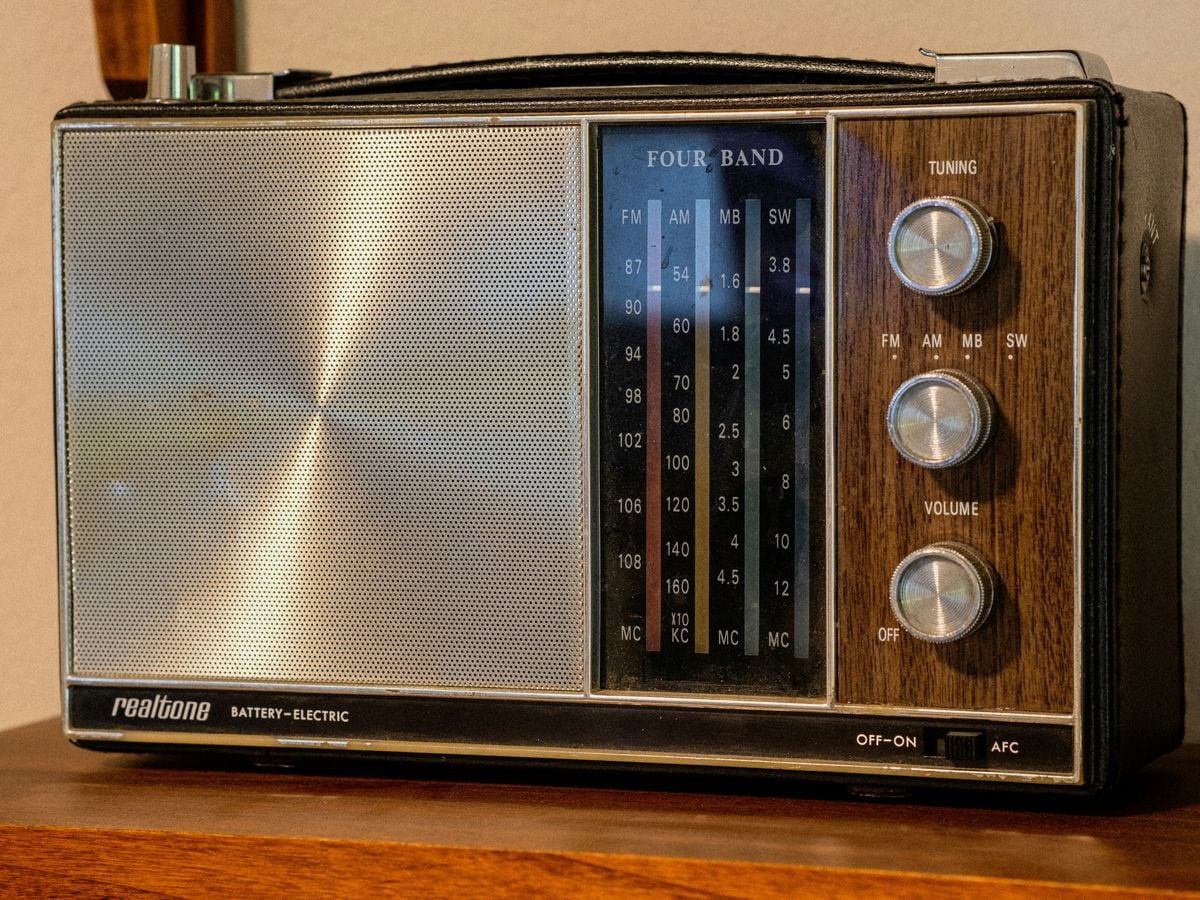
Radio advertising has been a key player in the marketing world for decades. Despite the rise of digital platforms, radio remains a powerful medium for reaching audiences. This article explores the benefits and drawbacks of radio advertising, helping businesses understand how to effectively use this medium.
Key Takeaways
- Radio ads are cheaper to make and air compared to TV and print ads.
- You can target specific groups of people based on age, location, and interests.
- Radio ads can be produced quickly, allowing for timely promotions.
- The personal touch of radio hosts helps create a strong connection with listeners.
- Radio can work well with other advertising methods to enhance overall reach.
The Cost-Effectiveness of Radio Advertising

When I think about advertising, one of the first things that comes to mind is cost. Radio advertising is one of the most affordable options available. Compared to other media like television or print, radio ads are much cheaper to produce and air. This makes it a great choice for businesses that want to make a big impact without breaking the bank.
Affordable Production and Airing Costs
Producing a radio ad doesn’t require a huge budget. Here are some reasons why:
- Lower production costs: You don’t need fancy equipment or a big crew.
- Quick turnaround: You can create and air an ad in just a few days.
- Flexible pricing: Many radio stations offer packages that fit different budgets.
Maximizing Budget Efficiency
With radio, I can stretch my advertising dollars further. Here’s how:
- Targeted reach: I can choose specific times and stations that my audience listens to.
- Frequency: I can run my ads multiple times to reinforce my message without spending too much.
- Local focus: I can reach my community directly, which is often more effective than broader campaigns.
Comparing Costs with Other Media
To really see the value, let’s compare radio advertising costs with other media:
| Media Type | Average Cost per Ad | Production Time |
|---|---|---|
| Radio | $200 – $5,000 | 1-3 days |
| Television | $1,000 – $100,000 | 1-4 weeks |
| $500 – $20,000 | 1-2 weeks |
In conclusion, radio advertising offers a cost-effective way to reach my audience. It allows me to maximize my budget while still making a significant impact.
Radio advertising is not just about saving money; it’s about making smart choices that can lead to better results.
Overall, I believe that radio can be a powerful tool for any business looking to advertise effectively and affordably.
Targeted Advertising Opportunities
Demographic Targeting
One of the best things about radio advertising is its ability to reach specific groups of people. I can choose to target ads based on age, gender, and interests. For example, if I want to reach young adults, I can select stations that play music popular with that age group. This helps ensure that my message gets to the right audience.
Geographic Targeting
Radio also allows me to focus on specific locations. I can run ads on local stations to connect with people in my community. This is especially useful for businesses that serve local customers. By targeting ads to a specific area, I can build a stronger connection with my audience and encourage them to support local businesses.
Community Engagement
Engaging with the community is another advantage of radio advertising. I can sponsor local events or participate in community discussions on air. This not only promotes my brand but also shows that I care about the community. Building relationships with listeners can lead to loyal customers.
In summary, radio advertising offers great opportunities for targeted advertising. By focusing on demographics, geography, and community engagement, I can make my ads more effective and reach the right people.
| Targeting Type | Description |
|---|---|
| Demographic Targeting | Focus on age, gender, and interests |
| Geographic Targeting | Target specific locations or communities |
| Community Engagement | Connect through local events and discussions |
Flexibility and Speed of Radio Ads

Quick Production Turnaround
Creating a radio ad is often much faster than making ads for other media. I can usually get an ad ready in just a few days. This speed is great for businesses that need to react quickly to changes or events. I can adjust my message almost at the last minute, which is a huge advantage.
Easily Updated Content
If I need to change something in my ad, it’s pretty simple. I can update the script or even the entire ad without a lot of hassle. This flexibility means I can keep my advertising fresh and relevant. Here are a few reasons why this is important:
- Stay current with trends or news.
- Respond quickly to customer feedback.
- Adjust for seasonal promotions or events.
Timely Promotions
Timing is everything in advertising. I can choose specific times to air my ads to reach my target audience effectively. For example, if I want to reach commuters, I’ll air my ads during morning and evening rush hours. This strategy helps ensure that my message gets to the right people at the right time.
Radio advertising allows me to connect with my audience quickly and effectively, making it a powerful tool in my marketing strategy.
Emotional Connection and Engagement
Intimacy of Radio Hosts
When I listen to the radio, I often feel like I know the hosts personally. This connection makes the ads more relatable. Radio hosts share stories and experiences that resonate with listeners, creating a bond that can enhance the effectiveness of advertising.
Creating Mental Imagery
Radio is often called the "theater of the mind." It encourages listeners to visualize the message. This unique aspect helps me remember the ads better. For example, when I hear a catchy jingle or a compelling story, I can picture the product in my mind, making it more memorable.
Boosting Brand Recall
The more I hear a brand on the radio, the more likely I am to remember it. Repeated exposure to ads can leave a lasting impression. Here are some ways radio boosts brand recall:
- Familiarity: Hearing a brand often makes it feel trustworthy.
- Emotional Resonance: Ads that connect emotionally stick with me longer.
- Engaging Content: Creative and entertaining ads capture my attention.
Radio advertising is not just about selling; it’s about building relationships.
In conclusion, radio advertising taps into our emotions and imagination, making it a powerful tool for brands. By connecting with listeners on a personal level, radio ads can create lasting impressions that drive consumer behavior.
Challenges of Radio Advertising

Radio advertising has its share of challenges that can make it less effective for some businesses. Here are the main issues I’ve noticed:
Lack of Visual Elements
One of the biggest drawbacks of radio is the absence of visuals. Unlike TV or online ads, I can’t show a product or demonstrate how it works. This can be tough, especially for items that rely on visual appeal. Listeners can’t see what I’m talking about, which might make it harder for them to remember my message.
Audience Fragmentation
With so many radio stations out there, it’s easy for audiences to get split up. This means that the number of people listening to any one station is often quite small. If I want to reach a larger audience, I might have to buy time on several different stations. This can get complicated and costly.
Need for Repeated Exposure
To really get my message across, I often need to repeat it multiple times. This is because listeners might not catch my ad the first time. They might switch stations or tune out during commercials. So, I have to plan for this and ensure my ads run frequently enough to make an impact.
In radio advertising, consistency is key. The more often listeners hear my message, the more likely they are to remember it.
Overall, while radio advertising can be a great way to reach people, I have to be aware of these challenges. Understanding them helps me create better ads that can still connect with my audience effectively.
Complementary Role of Radio in Media Mix
When I think about radio advertising, I see it as a powerful partner in a broader media strategy. Radio can enhance the effectiveness of other advertising channels. Here’s how:
Enhancing Other Advertising Channels
- Reinforcement: Radio ads can remind listeners of messages they’ve seen on TV or online, creating a stronger impact.
- Cross-Promotion: Using radio alongside social media or print can help reach different audiences effectively.
- Brand Consistency: Keeping a consistent message across various platforms helps build trust and recognition.
Filling Gaps in Campaigns
- Timeliness: Radio can quickly adapt to current events, making it perfect for urgent promotions.
- Local Focus: Local radio stations can target specific communities, filling in gaps that national campaigns might miss.
- Cost-Effective: It’s often cheaper to run radio ads, allowing for more frequent messaging without breaking the bank.
Maintaining Brand Presence
- Regular Engagement: Frequent radio spots keep your brand in listeners’ minds, increasing the chances they’ll remember you.
- Community Connection: Local stations foster a sense of loyalty, making listeners more likely to support brands they hear regularly.
- Diverse Formats: With various programming styles, radio can reach different demographics effectively.
Radio advertising is not just about sound; it’s about creating a lasting impression that complements other media efforts.
In conclusion, radio plays a vital role in a well-rounded advertising strategy. By using it alongside other channels, I can maximize my reach and effectiveness, ensuring my message resonates with a wider audience. The synergy between radio and other media can lead to greater success in advertising campaigns.
Local and National Reach

Building Community Loyalty
When I think about radio advertising, one of its biggest strengths is its ability to connect with local communities. Local radio stations create a bond with their listeners, making them feel like part of a family. This connection can lead to strong community loyalty, which is invaluable for businesses. When people trust their local station, they are more likely to support the businesses that advertise there.
Targeting Local Markets
Radio allows businesses to target specific local markets effectively. For example, if I own a coffee shop, I can advertise on a local station that my customers listen to. This means my message reaches the right people at the right time. Here are some benefits of local targeting:
- Increased engagement with the community.
- Higher chances of attracting local customers.
- Cost-effective advertising compared to broader campaigns.
Expanding Nationally
On the flip side, radio also offers a platform for national brands to reach a wider audience. By choosing the right stations and time slots, businesses can expand their reach beyond local markets. This is especially useful for brands looking to build a national presence. Radio advertising can help create a consistent brand image across different regions, making it easier for customers to recognize and trust the brand.
In summary, radio advertising is a powerful tool for both local and national reach. It helps businesses build community loyalty while also allowing them to expand their audience effectively.
Overall, whether I’m a local shop owner or part of a national brand, radio advertising offers unique opportunities to connect with my audience.
Conclusion
In summary, radio advertising has both strengths and weaknesses. It can reach a wide audience and is often more affordable than other forms of advertising, making it a smart choice for many businesses. The personal touch of radio can create a strong bond with listeners, helping brands stay memorable. However, it lacks visuals, which can limit how effectively some messages are shared. Additionally, ads can get lost in the background noise, and listeners may need to hear them several times to remember them. Despite these challenges, radio remains a valuable tool for reaching specific groups and getting messages out quickly. For businesses looking to connect with their audience, radio advertising is still a powerful option.
Frequently Asked Questions
What makes radio advertising a good choice for businesses?
Radio ads are cheaper to make and air compared to TV ads. They can reach many people quickly, making them a smart choice for businesses on a budget.
How can I target my audience with radio ads?
Radio stations often focus on specific groups of people. You can choose stations that match the age or interests of your target audience.
Can radio ads be changed easily?
Yes! Radio ads can be made quickly and updated easily, which is great for promoting special events or sales.
Why do radio ads create a strong connection with listeners?
Radio hosts often sound like they are talking directly to listeners, which helps build a personal bond and makes the ads more memorable.
What are some challenges of radio advertising?
Radio ads don’t have visuals, so they can be less engaging. Also, listeners might tune out during commercials, making it hard to grab their attention.
How can radio ads work with other advertising methods?
Radio can support other advertising forms like online or print ads. It helps keep your brand in people’s minds across different platforms.


