
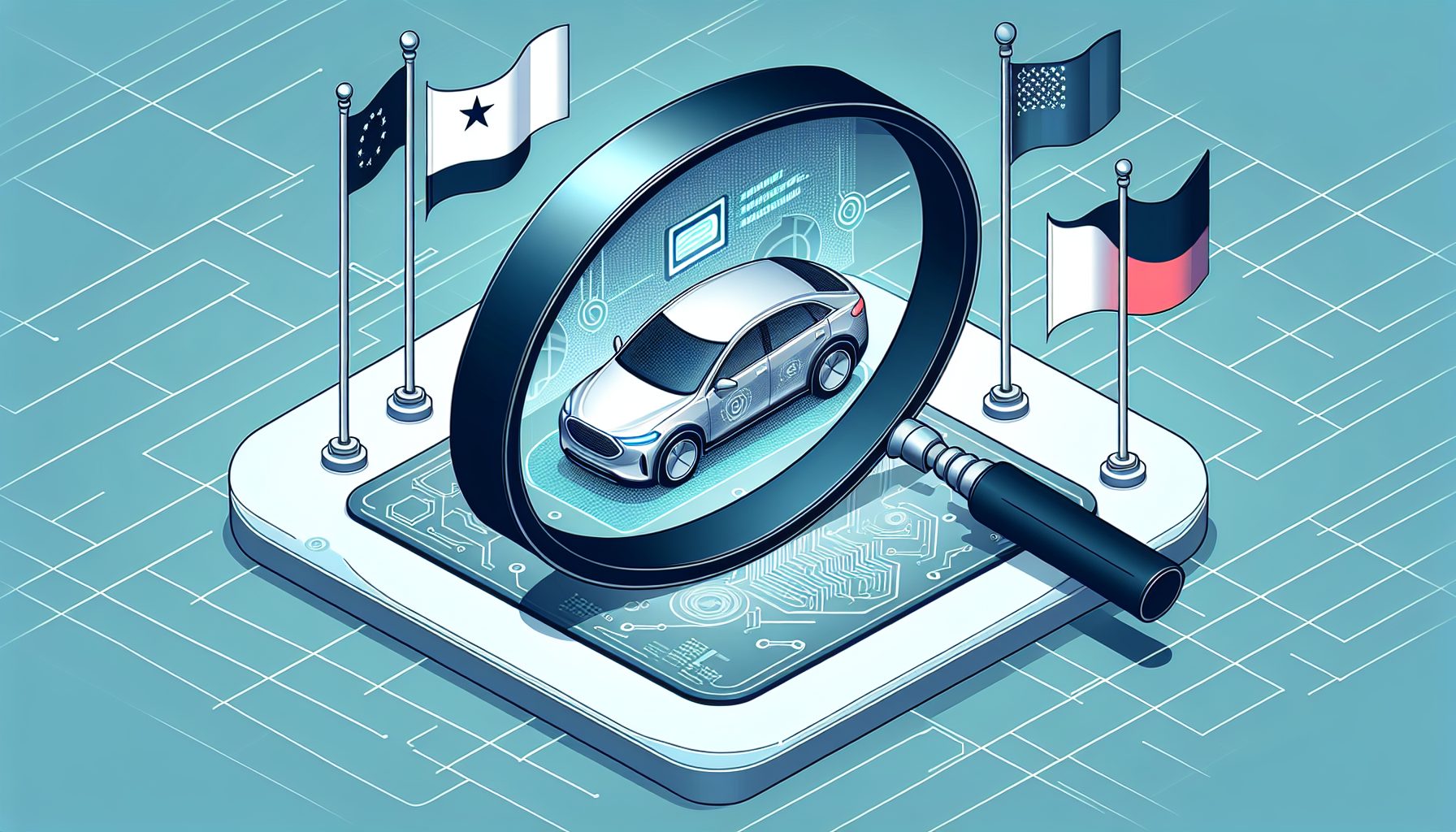
The Department of Commerce in Washington, D.C., is speculated to propose a regulation that could further strain the technological relations between the U.S. and China. This regulation would ban the use of Chinese software in autonomous vehicles. According to sources close to the matter, the proposed regulation underlines growing concerns about the potential threat to national security posed by Chinese software.
It sparks fears over potential vulnerabilities in the autonomous vehicle industry. However, according to intelligence reports, China’s technological influence, especially in the vital autonomous vehicles sector, could pose significant risks. As a result, the Department of Commerce is likely to step in, aiming to enforce the software ban to safeguard national interests.
On the other hand, the proposed regulation may boost consumer trust by increasing transparency in how companies use and share their data. Furthermore, the cost of implementing these regulations could escalate, potentially hindering the growth of smaller businesses within the industry.
Supporters believe this regulatory move could stimulate domestic innovation and manufacturing. At the same time, critics argue it could hinder the development and uptake of autonomous vehicles due to potential cost increases and a reduction in competition.
U.S. plans to ban Chinese software in autonomous vehicles
Proponents maintain that this encourages local inventors and boosts industrial production, promoting self-sufficiency in economic terms.
The current inflation also affects other industries, like the fast-food sector. Yum Brands, the owner of Taco Bell, reported a significant unexpected decrease in their same-store sales for Q2. From raw materials to production costs, multiple facets faced a price hike, stressing profit margins and creating an uncertain environment.
Moreover, inflation is also changing the food habits of low-income Americans who opt for more affordable homemade meals. Families and individuals have been nudged to reconsider their purchasing options, often having to sacrifice quality or preference for cost-effectiveness.
The domino effect of inflation is vast and multi-dimensional, affecting businesses, consumers, and global markets. As the U.S. plays a significant role in the global economy, the effects of inflation can indirectly influence international trade, global market trends, and currency value worldwide.
Therefore, understanding these impacts is crucial for developing effective strategies and policies to manage and mitigate the turbulence caused by inflation. This reflects growing apprehension about the presence of Chinese technology within important sectors of American infrastructure.


