
Print advertising remains a significant part of marketing, even in our digital world. It offers unique benefits as well as some challenges. Understanding both sides can help businesses decide how to use print effectively in their marketing strategies.
Key Takeaways
- Print advertising can effectively reach local audiences, making it ideal for small businesses.
- It often provides a good return on investment (ROI) for advertisers.
- Print ads can appeal to various age groups, ensuring a wide reach.
- However, advertisers may struggle with where their ads are placed in print media.
- Print advertising can sometimes be more expensive than digital options.
Understanding Print Advertising
Definition and Scope of Print Advertising
Print advertising refers to any promotional material that is printed on paper. This includes newspapers, magazines, brochures, and flyers. It plays a crucial role in reaching audiences who may not be as engaged with digital media. Print ads can be found in various formats, each serving a unique purpose in marketing strategies.
Historical Context and Evolution
Print advertising has a rich history that dates back centuries. It began with simple flyers and posters, evolving into sophisticated ads in magazines and newspapers. Over time, it has adapted to changes in technology and consumer behavior. Today, while digital marketing is on the rise, print advertising still holds its ground as a trusted medium.
Key Components of Print Advertising
Key elements of print advertising include:
- Newspapers and Magazines: These platforms reach a wide audience, with newspapers offering daily updates and magazines catering to specific interests.
- Brochures and Flyers: These are often used to provide detailed information about products or services and can be distributed in various ways.
- Posters and Billboards: Large-format ads are designed for high visibility, making them effective for brand awareness.
- Direct Mail: This targeted approach sends printed materials directly to consumers, allowing for personalized marketing.
- Business Cards: Even in a digital world, business cards remain a vital tool for networking and brand recognition.
Print advertising is not just about reaching people; it’s about making a lasting impression. Many consumers still prefer print ads over digital ones, as they find them more trustworthy and easier to remember.
In conclusion, understanding print advertising is essential for any business looking to connect with its audience effectively. By leveraging its unique strengths, companies can create impactful marketing campaigns that resonate with their target demographics.
Advantages of Print Advertising

Targeting Local Audiences Effectively
One of the biggest benefits of print advertising is its ability to target local audiences. When I use print ads, I can reach people in my community directly. This is especially useful for small businesses. For example, placing ads in local newspapers or magazines helps me connect with potential customers nearby. This local focus can drive more foot traffic to my store.
High Return on Investment
Print advertising often provides a high return on investment (ROI). Studies show that print ads can lead to better engagement compared to digital ads. For instance, print ads can generate a response rate of around 9%, while digital ads usually get only 1%. This means that when I invest in print, I often see more customers responding to my ads.
Reaching Diverse Age Groups
Another advantage is that print advertising can reach a wide range of age groups. Many people think print is just for older folks, but that’s not true! People of all ages read newspapers, magazines, and receive direct mail. By using print, I can connect with different generations, which helps my brand grow. This multi-generational approach broadens my audience.
Print advertising stands out in a digital world. It allows me to capture attention in a unique way, making my brand memorable.
In summary, print advertising offers several advantages, including effective local targeting, high ROI, and the ability to reach diverse age groups. By incorporating print into my marketing strategy, I can enhance my brand’s visibility and engagement.
Disadvantages of Print Advertising
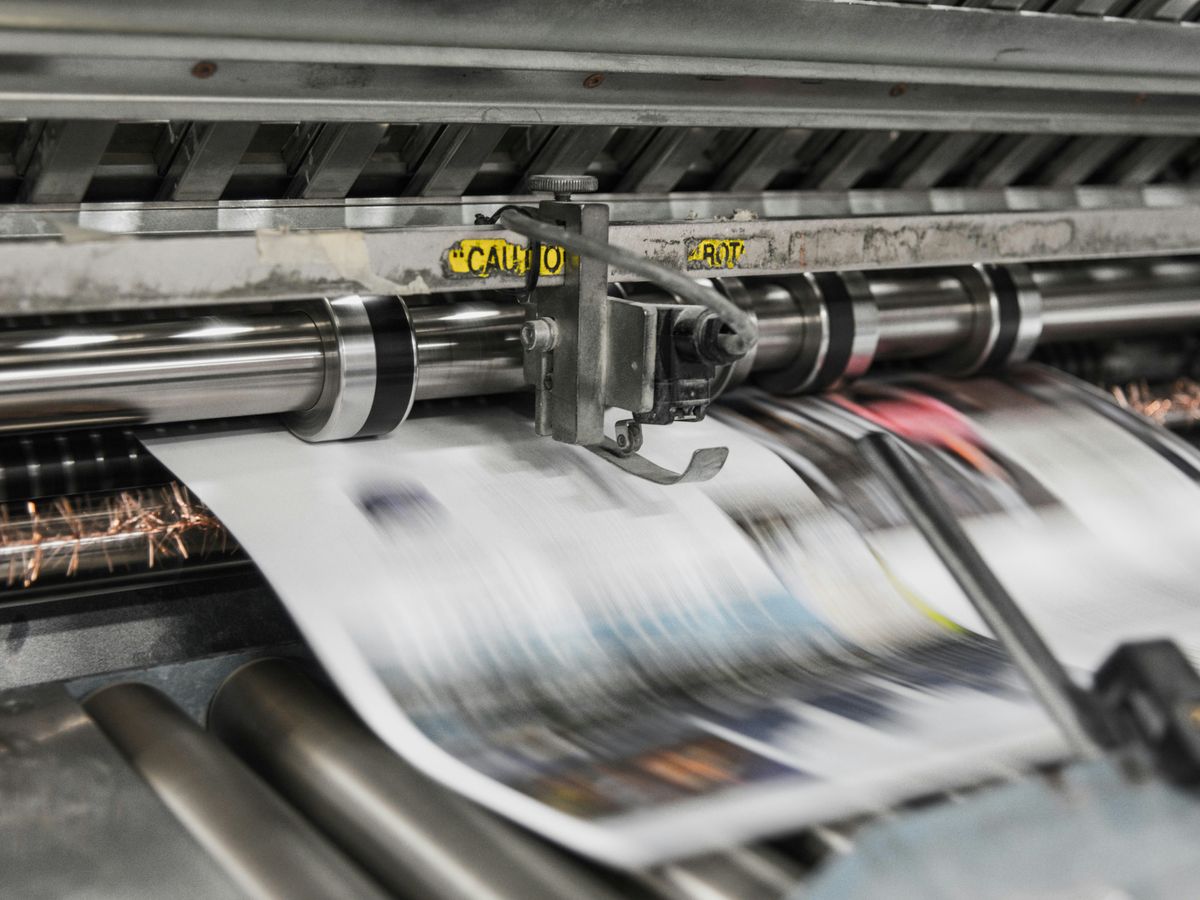
While print advertising has its perks, it also comes with some downsides that I think are important to consider. Here are the main disadvantages:
Limited Control Over Ad Placement
One of the biggest challenges I face with print advertising is the limited control over where my ads appear. When I place an ad in a newspaper or magazine, I often can’t choose the exact page or spot. This can make it hard to reach my target audience effectively, which might hurt my overall results.
Challenges in Scheduling
Another issue I run into is scheduling difficulties. Sometimes, I find it hard to get my ads placed on time in local publications. If there are delays, it can mess up my campaign timing and affect how well my ads perform. This can lead to problems with my return on investment (ROI).
Higher Costs Compared to Digital
Lastly, print advertising can be more expensive than digital options. For instance, placing an ad in a popular magazine or on a billboard can cost a lot. This is something I always have to think about, especially when I compare it to cheaper digital marketing methods.
In summary, while print advertising can be effective, it’s crucial to weigh these disadvantages against the benefits before diving in.
Overall, understanding these challenges helps me make better decisions about my advertising strategies. I always try to balance my print efforts with digital options to maximize my reach and effectiveness.
Comparing Print and Digital Advertising
When I think about advertising, I often find myself comparing print and digital methods. Each has its own strengths and weaknesses, and understanding these can help us make better choices for our marketing strategies.
Effectiveness in Different Demographics
One of the biggest differences between print and digital advertising is how they reach different groups of people. Print advertising can effectively target local audiences, especially for small businesses. For example, if I run a local shop, I might find that a flyer in a community newspaper reaches my customers better than an online ad.
Cost Implications and Budget Considerations
When it comes to costs, print advertising can sometimes be more expensive than digital options. However, it often provides a higher return on investment (ROI). Here’s a quick comparison:
| Advertising Type | Average Cost | Average ROI |
|---|---|---|
| Higher | 112% | |
| Digital | Lower | 44% |
This table shows that while print may cost more upfront, it can lead to better returns in the long run.
Integration in a Multi-Channel Strategy
In today’s world, using both print and digital advertising together can be very effective. Here are some ways to integrate them:
- Use print ads to drive traffic to your website.
- Include QR codes in print materials for easy access to online content.
- Create a consistent message across both platforms to strengthen brand recognition.
Combining print and digital advertising can create a powerful marketing strategy that reaches a wider audience.
In conclusion, while both print and digital advertising have their pros and cons, understanding how they compare can help us make informed decisions. Whether I choose print, digital, or a mix of both, the key is to know my audience and what works best for them.
Future of Print Advertising

Trends and Innovations
As I look ahead, I see that print advertising is not just surviving; it’s evolving. New technologies are making it easier to create eye-catching ads. For example, augmented reality (AR) can bring print ads to life, allowing customers to interact with them in exciting ways. This means that print can still grab attention in a world dominated by screens.
Sustainability and Environmental Impact
Another important trend is sustainability. Many companies are now focusing on using eco-friendly materials for their print ads. This shift not only helps the environment but also appeals to consumers who care about the planet. By choosing sustainable options, businesses can show they are responsible and attract more customers.
Predictions for the Industry
Looking into the future, I believe print advertising will continue to play a vital role in marketing strategies. Here are a few predictions:
- Increased Integration: Print will work alongside digital ads more than ever, creating a seamless experience for consumers.
- Personalization: Ads will become more tailored to individual preferences, making them more effective.
- Niche Markets: Businesses will target specific audiences through specialized print media, reaching those who may not engage with digital ads.
The future of print advertising is bright, and it’s all about adapting to new trends while staying true to its roots.
In conclusion, print advertising is not going away. Instead, it’s finding new ways to connect with audiences and remain relevant in a fast-changing world. By embracing these trends, businesses can maximize their impact and ensure their messages are heard.

Maximizing the Impact of Print Advertising

Design and Content Strategies
To make your print ads really pop, you need to focus on design and content. Here are some tips:
- Use bold colors to grab attention.
- Keep your message clear and simple.
- Include a strong call to action, like "Visit us today!"
Choosing the Right Print Medium
Not all print mediums are created equal. Here’s how to choose:
- Know your audience: Are they more likely to read a magazine or a flyer?
- Consider your budget: Some options, like billboards, can be more expensive.
- Think about reach: Local newspapers can help you connect with nearby customers.
Measuring Success and ROI
To see if your print ads are working, you need to track their performance. Here’s how:
- Use unique promo codes to see how many people respond.
- Ask customers how they heard about you.
- Monitor sales before and after your campaign.
In the world of advertising, print still holds a special place. It can create a lasting impression that digital ads often miss. By focusing on design, choosing the right medium, and measuring your success, you can truly maximize the impact of your print advertising efforts.
Remember, print advertising can help you stand out in a crowded market, especially when many brands are focusing on digital. By investing in print, you can reach your audience in a way that feels personal and engaging. Don’t underestimate the power of print!
Conclusion
In summary, print advertising has its own set of pros and cons. On the positive side, it can effectively reach local customers, provide a good return on investment, and appeal to various age groups. This makes it a valuable tool in a marketing strategy, especially in a world that is mostly digital. However, there are challenges too. Advertisers often have limited control over where their ads appear, scheduling can be tricky, and costs can be higher than digital options. Therefore, businesses should carefully weigh these factors before deciding how to use print advertising in their marketing plans.
Frequently Asked Questions
What is print advertising?
Print advertising is when businesses use printed materials, like newspapers and magazines, to share their messages and promote their products or services.
What are the benefits of print advertising?
Some benefits include reaching local audiences effectively, having a high return on investment, and being able to connect with different age groups.
What are the downsides of print advertising?
Some downsides include limited control over where ads are placed, scheduling difficulties, and sometimes higher costs compared to digital advertising.
How can print advertising target local customers?
Print ads can be placed in local newspapers and magazines, which helps businesses reach people in their community.
Is print advertising still relevant in today’s digital world?
Yes, print advertising is still relevant because it can reach audiences that might not be as engaged with digital media.
How can businesses measure the success of their print ads?
Businesses can measure success by tracking sales, asking customers how they heard about the business, and analyzing the return on investment.


