
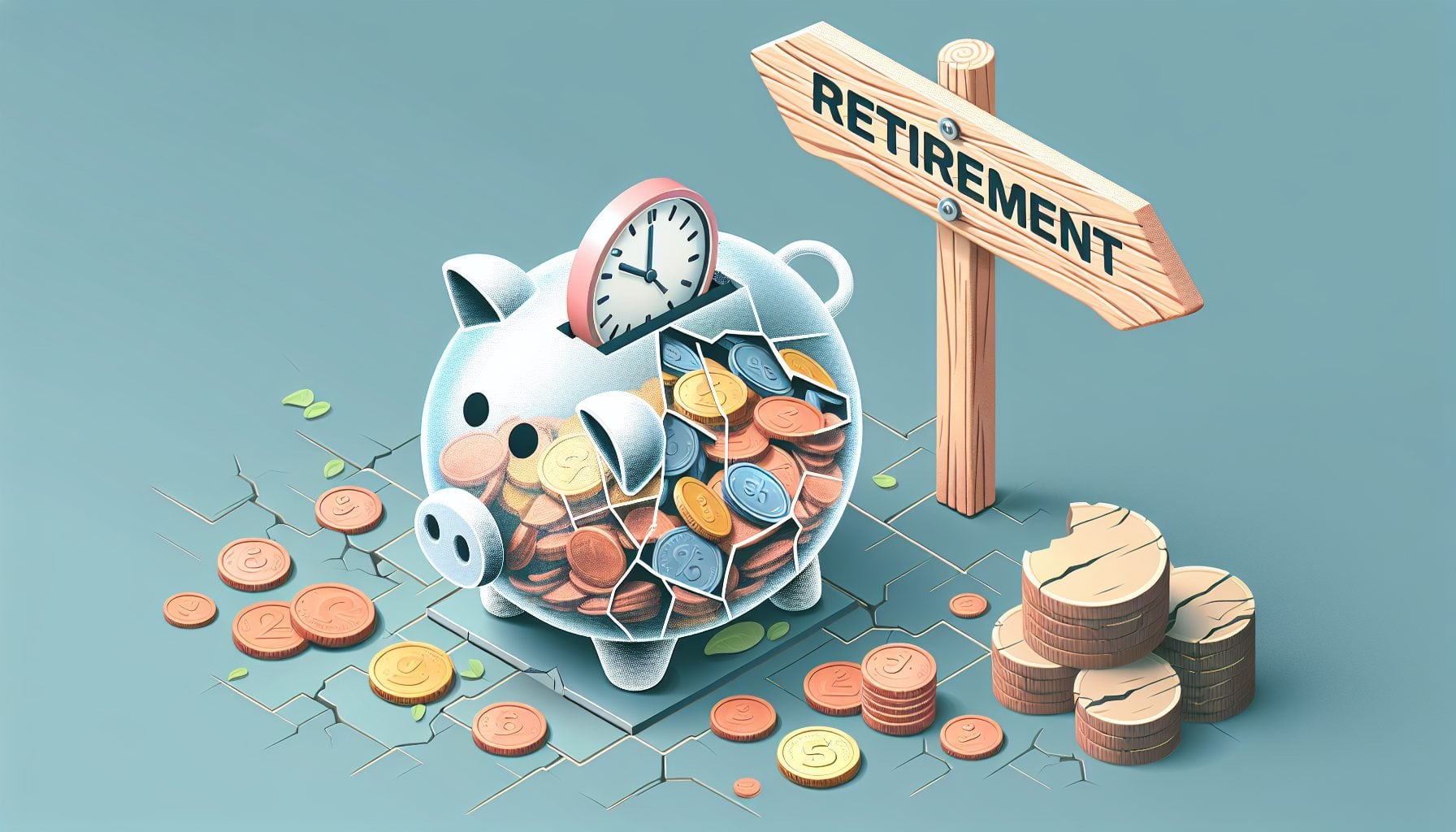
Significant changes in the U.S retirement system could lead to a likely 20% decrease in retiree payouts, posing potential risks to retirees. The confidence in a financially secure retirement has taken a hit, marking the largest drop since the global financial crisis. There is an urgent need for policy reforms to uphold the value and stability of retirement benefits for future retirees.
Despite the challenging economic climate, timely adaptations could offer more secure retirements and restore much-needed confidence in the system. It is key for government and retirement fund administrators to act swiftly to lessen potential risks and any subsequent adverse effects on retirees. Reducing financial insecurity among retirees is seen as a national priority to uphold their standard of living.
Despite alarming trends, there are hopeful developments as research indicates wage growth surpassing inflation. Although problems like rising living costs and possible alterations to social security present substantial challenges, robust tools are being introduced to enhance financial literacy and household savings strategies. The role of public policy remains critical in providing additional avenues for retirement security.
The research revealed that Social Security forms a crucial part of retirement income for 88% of employed individuals and 91% among current retirees, indicating the potential risk of financial instability if it faces any challenges.
Understanding the risks in US retirement reforms
Only 32% of working individuals are aware of the potential problems with Social Security, and just 27% of retirees, despite being the most affected by potential changes.
Proposed changes for retirement accounts might reduce tax benefits enjoyed by higher income individuals, which could generate additional revenue for Social Security but result in lesser benefits for those who are saving for retirement. This brings uncertainty among workers nearing retirement age.
There is a pressing need for enhanced public education about these issues. It is equally important for regulators and policymakers to establish clear, long-term strategies to ensure the sustainability of the system. Craig Copeland, EBRI’s Director of Retirement Research, expresses concern that these developments could drastically alter retirement plans.
Additional AARP surveys show worrying prospects for Americans over 50, significant number of whom have no retirement savings and more than half fear they don’t have enough savings for retirement. AARP is advocating for legislation to tackle family caregiving issues and enhance retirement security by offering savings accounts or automatic contributions to those without employer-based retirement benefits.
However, Copeland believes legislative changes may not significantly change the retirement outlook for individuals nearing retirement age. These changes might not necessarily address the underlying cause of financial insecurity among retirees. Thus, while older adults have been given an opportunity to increase their contributions, the stark reality of economic difficulties faced by many retirees reminds in question.


