
The COVID-19 pandemic has significantly impacted the dynamics of supply and demand, causing unstable prices of lumber. Restrictions and interruptions in production chains have contributed to a sharp increase in lumber prices. Despite the reopening of sawmills, the severity of the situation remains. Additionally, wildfires on the U.S west coast have inflated prices further, affecting consumers, builders, and carpenters.
COVID-related lockdowns resulted in unexpected high demand for lumber due to increased home renovation projects. Simultaneously, sawmills were not prepared to meet this increase, as they had downsized in anticipation of an industry downturn. The result was a lumber shortage and skyrocketing prices, disrupting the construction and home improvement industries worldwide.
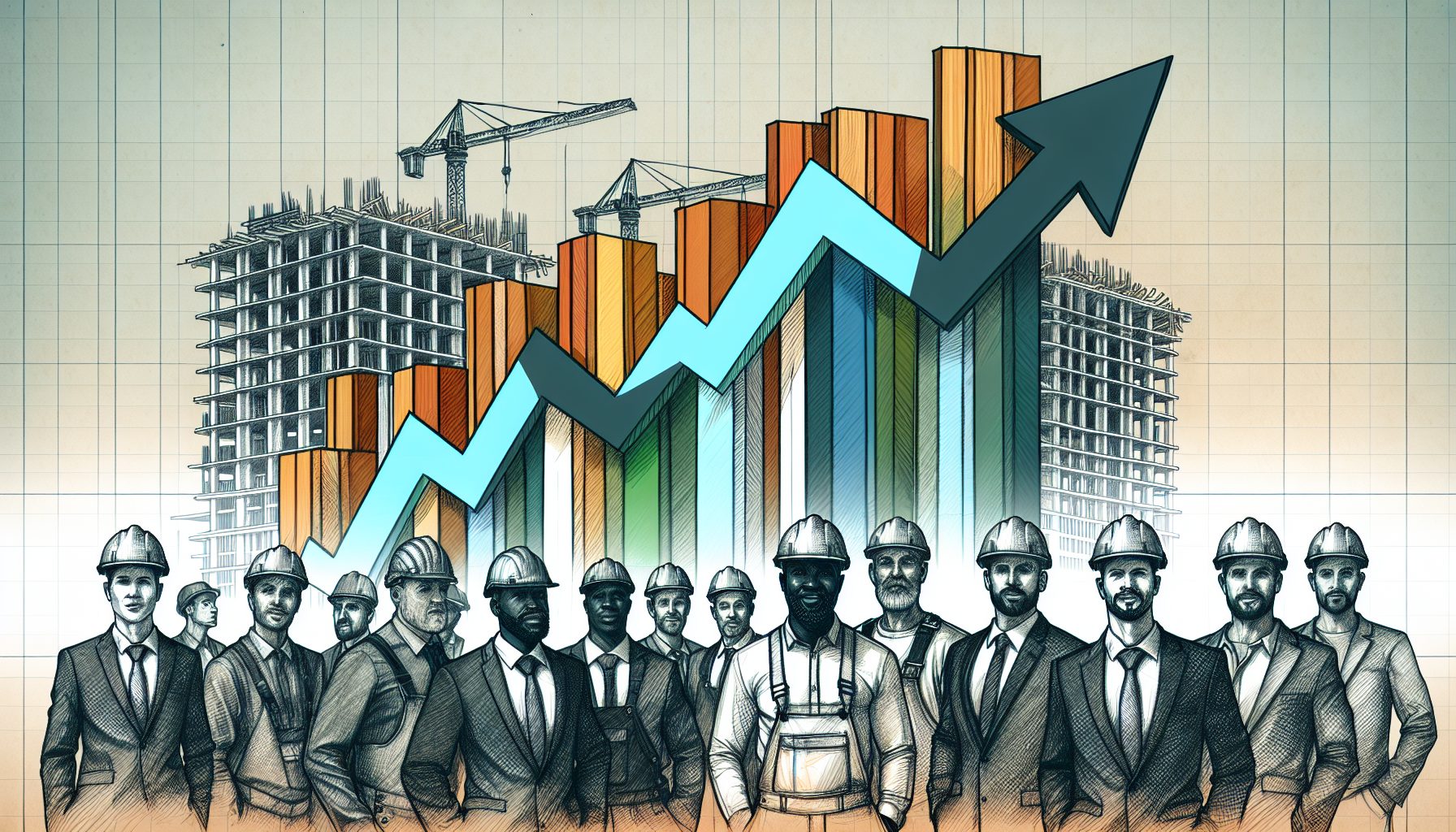
The wood industry’s data shows extreme price changes from $400 per thousand board feet in January 2020 to over $1,600 in May 2021, before going down to $300-400 by the end of 2022. These fluctuations have affected the cost of construction and related industries.
Pandemic effects on lumber’s market dynamics
The industry has faced challenges related to supply chain disruptions, labor shortages, and volatile market forces.
According to Dustin Jalbert, a leading economist, increasing production costs and internal industry changes pose concerns for lumber suppliers operating at a loss. These challenges trigger a ripple effect in the supply chain and directly affect builders and consumers. Rising home construction costs and increases in furniture prices may make housing less affordable.
The Federal Reserve’s raising of its primary interest rate has significantly influenced the lumber industry, driving up mortgage rates, slowing new home constructions, and existing home sales. The higher mortgage rates have resulted in decreased lumber demand, affecting the industry’s revenue and profitability.
Many home renovations sparked by the pandemic were finished in 2020 and 2021. High-interest rates currently discourage homeowners from funding new projects with their equity, reducing lumber demand further. The slump in home improvements could lead to an oversupply of lumber. However, this depends on the fluctuation of interest rates and the economic climate.With increased vaccination rates, people might return to pre-pandemic patterns, but time will reveal whether the current slowdown will continue or rebound.


