
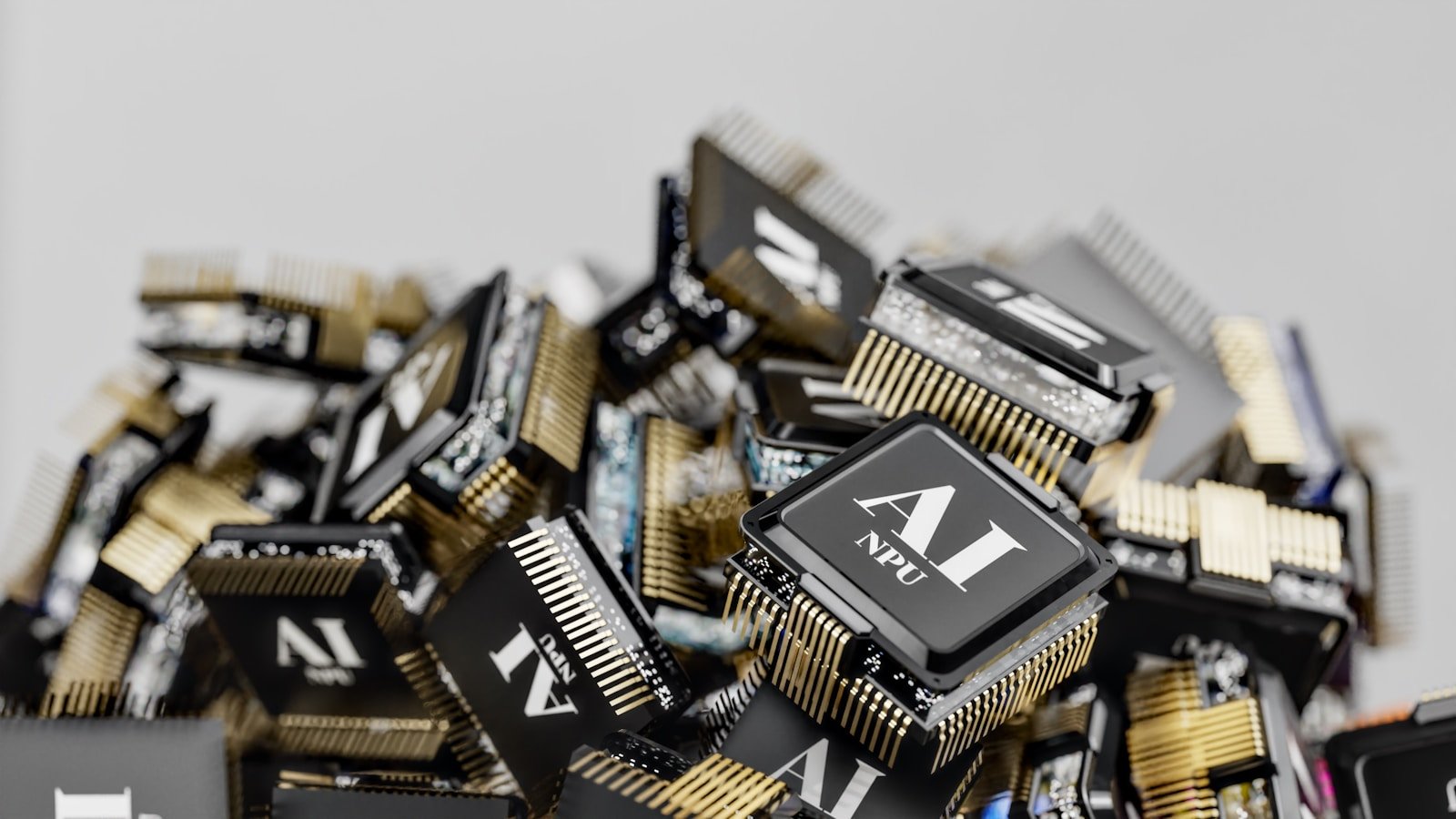
Intel has decided to pull the plug on marketing the Falcon Shores artificial intelligence (AI) processor. The chip will be repurposed as an internal test platform as part of Intel’s efforts to develop a comprehensive AI solution for data centers, similar to what Nvidia offers its customers, the company announced last week. Initially unveiled by Intel last year, Falcon Shores was positioned as the company’s response to Nvidia’s successful AI processors and was expected to launch this year.
However, in a call with analysts last week, Intel executives said they had canceled the chip’s commercial release. Instead, Falcon Shores will be used for internal testing to support the development of Intel’s next-generation Jaguar Shores chip and an integrated AI solution for data centers. They noted that only this full system-level solution will allow Intel to present a credible alternative to Nvidia.
“Many of you heard me temper expectations on Falcon Shores last month. Based on industry feedback, we have decided to leverage Falcon Shores as an internal test chip,” said Intel’s acting co-CEO Michelle Johnston Holthaus.
Intel’s AI chip strategy shift
“More broadly, as I think about our AI opportunity, my focus is on the problems our customers are trying to solve, most notably lowering the cost and increasing the computing efficiency. One of the things that we’ve learned from Gaudi is it’s not enough just to deliver the silicon. We need to be able to deliver a complete rack-scale solution, and that’s what we will be able to do with Jaguar Shores.
This decision is expected to widen the gap between Intel and Nvidia in the AI chip market.
Currently, Intel’s only AI processor solution is the Gaudi 3 chip, which is considered outdated compared to Nvidia’s most advanced offerings. Intel’s strategic shift appears unrelated to recent disruptions caused by China’s DeepSeek, which unveiled an advanced generative AI model trained with significantly less computing power than comparable models. The announcement initially sparked concerns about future demand for AI chips, leading to a market reaction that saw Nvidia lose over half a trillion dollars in market value.
However, as the situation stabilized, it became apparent that demand might shift from AI training chips to chips optimized for running AI models. In this context, Intel’s decision to delay the processor’s launch could prove prudent, allowing the company to focus on developing processors that better align with evolving market demands.


