

Starting a reselling business can be an exciting way to earn money without needing a lot of upfront investment. This guide will walk you through the essential steps to become a successful reseller, from understanding the market to optimizing your marketing strategies. Whether you’re just starting out or looking to improve your existing business, these tips will help you thrive in the reselling world.
Key Takeaways
- A reseller buys products from suppliers and sells them at a higher price to make a profit.
- It’s important to research and register your business to operate legally and effectively.
- Finding reliable suppliers and understanding product demand are crucial for success.
- Using social media and paid ads can help you reach more customers and grow your business.
- Managing your inventory well and tracking your finances are key to staying organized and profitable.
Understanding the Reselling Market

What is a Reseller?
A reseller is someone who buys products from suppliers and sells them to customers at a higher price. This simple process connects buyers and sellers. I find products that people want, source them from reliable suppliers, and then set my own prices to make a profit.
The Role of a Reseller
As a reseller, I act as a bridge between manufacturers and consumers. My job involves:
- Identifying popular products that people are eager to buy.
- Finding trustworthy suppliers who can provide these products at a good price.
- Setting my own prices to ensure I earn a profit when I sell.
Benefits of the Reselling Business Model
The reselling business model has several advantages:
- Low startup costs compared to creating my own products.
- Flexibility to work part-time or full-time.
- Ability to focus on marketing and sales rather than product development.
The global resale market is expected to grow to $64 billion by 2024, making it a promising field for aspiring entrepreneurs.
In summary, understanding the reselling market is crucial for success. By knowing what a reseller is, the role I play, and the benefits of this model, I can better navigate my journey in this exciting business.
Setting Up Your Reselling Business

Starting a reselling business can feel overwhelming, but it’s really just a series of steps. Here’s how to get started!
Registering Your Business
First, I need to make my business official. This means registering it with the government. I can choose from a few options:
- Sole Proprietorship: This is the simplest way. I and my business are the same for tax purposes.
- Limited Liability Company (LLC): This gives me some protection from personal liability.
- Corporation: This is more complex and usually for larger businesses.
Choosing a unique name is also important. I want it to stand out and not be confused with others.
Researching State Laws and Regulations
Next, I need to check the laws in my state. Each state has different rules about running a business. I should look into:
- Sales tax requirements
- Business licenses needed
- Any specific regulations for resellers
Obtaining a Resale Permit
Finally, I need a resale permit. This allows me to buy products without paying sales tax, which I can then charge my customers. It’s a smart way to save money and keep my business running smoothly.
Getting my business set up correctly is crucial. It builds trust with my customers and helps me avoid legal issues down the road.
By following these steps, I can lay a strong foundation for my reselling business. Remember, the right start can lead to great success!
Sourcing Products for Reselling
When I think about sourcing products, I realize it’s the backbone of my reselling business. Finding the right products to sell is crucial. Here’s how I approach it:
Finding Reliable Suppliers
I start by looking for trustworthy suppliers. This can include wholesalers, distributors, or even manufacturers. Here are some tips:
- Variety: Choose suppliers that offer a wide range of products. This allows me to explore different categories and niches.
- Competitive Pricing: Buying in bulk often means lower prices, which helps me keep my profit margins healthy.
- Reliability: I prefer suppliers who consistently deliver quality products on time.
Evaluating Product Demand
Next, I need to know what products are in demand. I do this by:
- Researching market trends.
- Checking out what’s popular on social media.
- Observing competitors to see what they’re selling.
Negotiating Prices with Wholesalers
Once I’ve found potential products, I negotiate prices with wholesalers. This is important because it affects my profit. I aim for a balance between a good price and a competitive edge.
Remember, not all products are created equal. Some can fetch higher profits than others, especially if they are in high demand and low supply.
In summary, sourcing products is about building relationships with suppliers, understanding market needs, and negotiating effectively. By focusing on these areas, I can set my reselling business up for success!
Optimizing Your Marketing Strategy
Leveraging Social Media
Social media is a powerful tool for reaching potential customers. I often use platforms like Instagram and Facebook to showcase my products. Engaging posts can attract attention and drive traffic to my store. Here are some tips:
- Post high-quality images of your products.
- Use relevant hashtags to increase visibility.
- Interact with followers to build a community.
Collaborating with Influencers
Working with influencers can help me reach a larger audience. I look for influencers who align with my brand. Choosing the right influencer can make a big difference. Here’s how I approach it:
- Research potential influencers in my niche.
- Reach out with a clear proposal.
- Track engagement to see if it’s working.
Utilizing Paid Advertising
Paid ads can be effective, but I need to be smart about it. I often start with a small budget to test what works. Tracking results is crucial. I keep an eye on:
- Click-through rates
- Conversion rates
- Overall return on investment
Marketing is an ongoing process. I keep adjusting my strategies based on what I learn from my campaigns.
In summary, optimizing my marketing strategy involves using social media, collaborating with influencers, and being smart about paid advertising. By focusing on these areas, I can effectively reach more customers and grow my reselling business. Remember, product visibility is key to attracting buyers!

Managing Your Inventory Efficiently
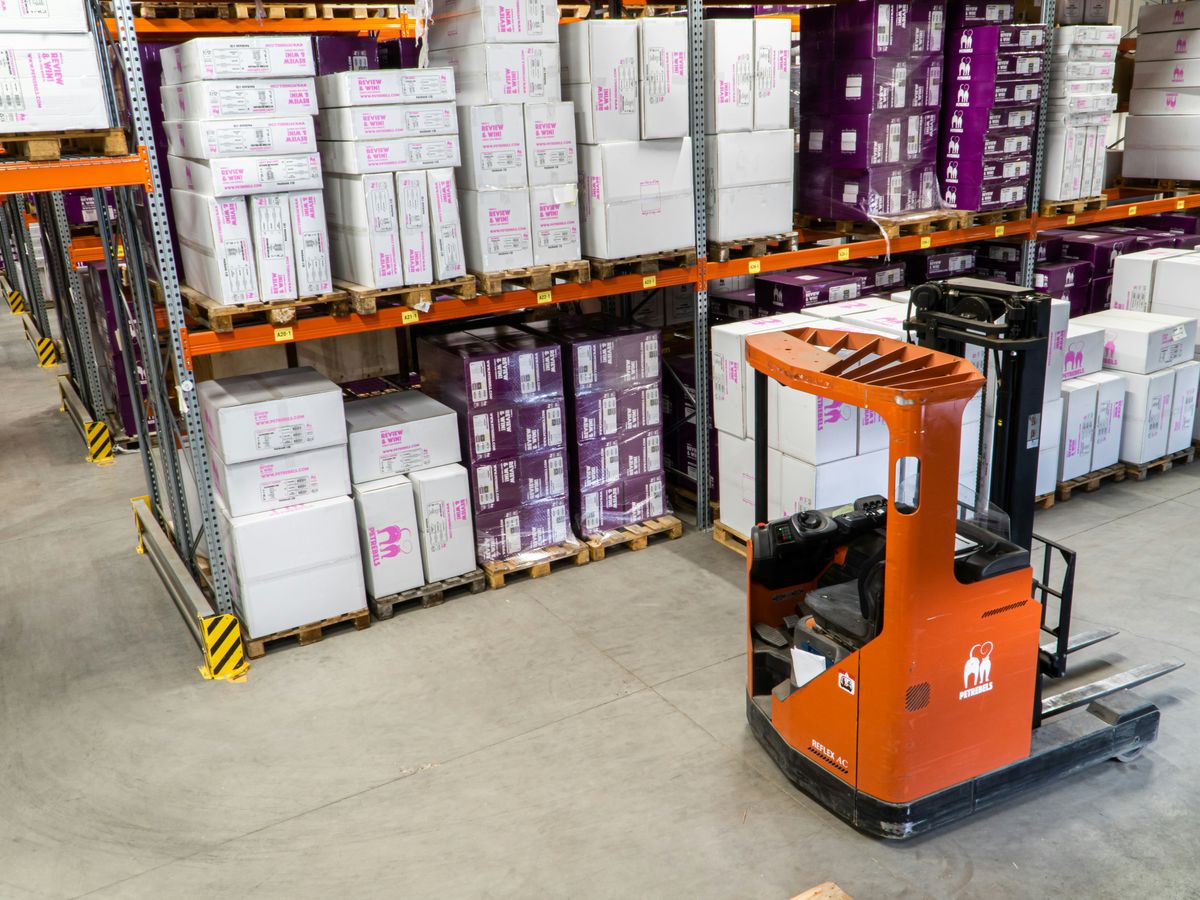
Keeping track of your products is super important in the reselling business. A well-organized inventory helps you find and ship items quickly. Here are some tips to manage your inventory effectively:
Using Inventory Management Tools
- Spreadsheets: You can create a simple spreadsheet to list all your products. This helps you see what you have at a glance.
- Inventory Management Software: Tools like Crosslist can help you manage your inventory on the go. You can add inventory numbers and use the search feature to find items fast.
Organizing Your Inventory
- Labeling: Make sure each item is labeled clearly. This will save you time when you need to find something.
- Categorizing: Group similar items together. For example, keep all clothing in one section and electronics in another.
- Regular Checks: Periodically check your inventory to ensure everything is in order and update your records as needed.
Tracking Sales and Stock Levels
- Monitor Sales: Keep an eye on what sells well and what doesn’t. This will help you make better decisions about what to stock.
- Reorder in Time: If you notice certain items are selling out quickly, reorder them before you run out.
- Set Alerts: Use alerts in your inventory tool to notify you when stock levels are low.
Managing your inventory well not only keeps your business running smoothly but also helps you build trust with your customers. When they receive their orders on time, they are more likely to return.
By following these steps, you can ensure that your inventory is organized and efficient, making your reselling business more successful!
Pricing Strategies for Maximum Profit
Cost-Plus Pricing
When I set prices, I often start with cost-plus pricing. This means I add a specific percentage to the total cost of the product. For example, if I buy a product for $10 and want a 40% profit, I would sell it for $14. This method is straightforward and helps ensure I cover my costs.
Competitive Pricing
Next, I look at competitive pricing. This involves checking what similar products are selling for. If my prices are too high, customers might choose my competitors instead. I aim to set my prices in line with others in the market, or slightly lower, to attract more buyers.
Value-Based Pricing
Another strategy I use is value-based pricing. This means I set prices based on how much customers think my product is worth. If my product has unique features or solves a specific problem, I can charge more.
Dynamic Pricing
Lastly, I consider dynamic pricing. This allows me to adjust prices based on demand, seasons, or how much stock I have. For instance, if a product is in high demand, I might raise the price temporarily.
| Pricing Strategy | Description |
|---|---|
| Cost-Plus Pricing | Add a percentage to the total cost of the product. |
| Competitive Pricing | Set prices based on competitors’ prices. |
| Value-Based Pricing | Price based on perceived value to customers. |
| Dynamic Pricing | Adjust prices based on market demand and stock levels. |
Finding the right pricing strategy is crucial for maximizing profits. It’s all about balancing costs, competition, and customer perceptions.
By using these strategies, I can find the best price for my products and ensure my reselling business is successful!
Scaling Your Reselling Business

As I grow my reselling business, I often think about how to make it even bigger. Scaling up is essential if I want to turn my side hustle into a full-time job. Here are some strategies I’ve found helpful:
Expanding to Multiple Marketplaces
- Sell on different platforms: I can reach more customers by listing my products on sites like Amazon, eBay, and Etsy. This way, I can connect with buyers beyond my local area.
- Use cross-listing tools: Tools like Crosslist help me post my items on multiple sites at once, saving me time and effort.
- Tailor my offerings: I need to research what products are popular on each platform to meet the needs of different customers.
Automating Business Processes
- Implement automation tools: I can use software to handle tasks like order processing and inventory management. This helps me save time and focus on growing my business.
- Track performance: Regularly checking how my business is doing allows me to adjust my strategies as needed.
- Customer support: Automating responses to common questions can improve customer satisfaction.
Building Industry Relationships
- Network with other resellers: Collaborating with others can open up new opportunities. I can share tips, trade products, or even work together on marketing.
- Attend trade shows: Meeting suppliers and other resellers in person can help me learn and grow.
- Join online communities: Engaging with fellow resellers online can provide support and new ideas.
Scaling my reselling business is not just about selling more; it’s about working smarter. By expanding my reach, automating tasks, and building connections, I can create a thriving business that meets the needs of my customers.
In conclusion, scaling my reselling business involves careful planning and execution. By following these steps, I can ensure that my business not only grows but thrives in a competitive market.
Final Thoughts on Becoming a Successful Reseller
Starting a reselling business can be a great way to earn money, especially if you follow the right steps. With the right mindset and strategies, you can build a successful venture. Remember, it’s important to take clear pictures of your products and write detailed descriptions so customers know exactly what they are buying. Don’t forget to keep adjusting your marketing plans until you find what works best for you. Offering free shipping can also attract more buyers. Lastly, creating a strong brand will help you stand out in a crowded market. By staying focused and dedicated, you can turn your reselling dreams into reality.
Frequently Asked Questions
What does it mean to be a reseller?
A reseller buys items from suppliers or manufacturers and then sells them at a higher price to customers.
Is reselling a good way to make money?
Yes, if you know what people want and can find good deals, reselling can be very profitable.
Where can I find products to resell?
You can get products from wholesalers, thrift stores, estate sales, or online marketplaces.
Do I need a special license to be a reseller?
Yes, you usually need to register your business and may need a resale permit, depending on your state.
How much money do I need to start reselling?
You can start with a small budget, especially if you find low-cost items to sell.
Can anyone become a reseller?
Absolutely! Anyone can become a reseller, as long as they follow local laws and regulations.


