

Startups are always hunting for that edge—the spark that propels them past bigger, slower competitors. Right now, automated liquid handling technology is lighting up the lab world, especially in fields like biotech and diagnostics. The Grand View Research pegged the global market for this tech at $2.09 billion in 2023, with a growth rate set to climb 10.5% annually through 2030. That’s not just a number—it’s a signal.
For startups, jumping into this space could mean faster breakthroughs, happier teams, and a shot at leading the pack. But it’s not as simple as buying a shiny robot and calling it a day. Let’s walk through what it takes to make this investment work for your startup.
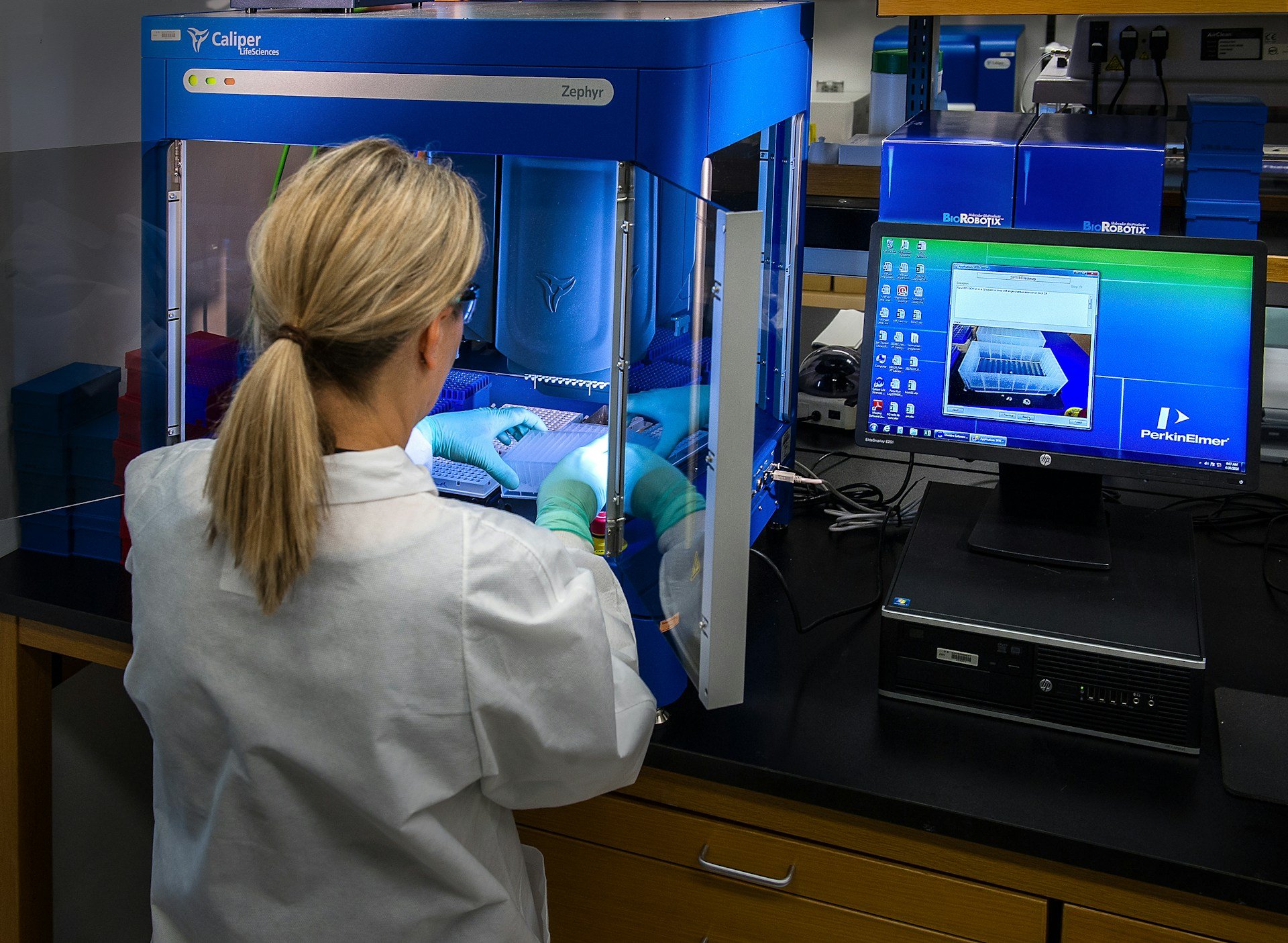
Why Automated Liquid Handling Matters for Startups
Precision and efficiency are non-negotiable for any startup in the life sciences or related fields. Traditional manual pipetting—where a technician painstakingly transfers liquids drop by drop—is time-consuming and prone to human error. Imagine a small team racing to develop a new diagnostic tool, only to lose precious hours fixing mistakes caused by inconsistent sample handling. Automated liquid handling technology solves this by using robotic systems to dispense exact volumes of liquid with pinpoint accuracy. For a startup stretched thin on time and people, that’s gold. You get reliable data fast and don’t need to triple your headcount to scale up.
Beyond efficiency, automation opens doors to innovation. It allows startups to tackle high-throughput screening—testing thousands of samples at once—or dive into complex workflows like next-generation sequencing (NGS). It’s not just about saving time—it’s about opening doors to projects that impress investors and clients who value cutting-edge solutions. The trick is figuring out how it fits your startup’s mission and vision.
Assessing Your Startup’s Needs
Before jumping in, startups need to take a hard look at their goals and workflows. Not every company needs a fully decked-out liquid-handling system with all the bells and whistles. Are you developing a new drug that requires screening massive compound libraries? Then, a high-throughput system might be your best bet. Or maybe you’re a diagnostics startup focused on processing small batches of patient samples with extreme precision—here, a compact, user-friendly automated pipettor could do the trick.
Think about your current pain points. Are repetitive tasks slowing you down? Is variability in results hurting your credibility? Mapping these challenges with the right technology is critical. It’s also worth considering future growth. A system that meets today’s needs but can’t scale with you might become a costly dead end. Startups should aim for flexibility—choosing equipment that can adapt as projects evolve and budgets expand.
Budgeting and Cost Considerations
The truth is startups aren’t swimming in cash. Automated liquid handling systems can range from a few thousand dollars for basic models to hundreds of thousands for advanced setups. The temptation might be to go cheap, but cutting corners here could backfire with downtime, repairs, or subpar performance. Instead, think of this as a long-term investment. A solid mid-tier option with decent support might sting upfront but save you headaches—and money—down the line.
Keep an eye on the extras, too—maintenance, training, and even pipette tips add up. Some companies throw in leasing deals or startup-friendly packages, which can soften the blow. Chat with other founders who’ve been there; they’ll tell you what’s worth splurging on and what’s just hype.
Choosing the Right Technology Partner
The tech’s only as good as the experts behind it. You need a vendor who understands the startup’s constraints—someone who won’t leave you hanging when the system glitches at 2 a.m. Go for companies known for user-friendly designs; your team shouldn’t need a robotics degree to run it. Good support is also essential—think of quick fixes and real answers, not canned emails.
Compatibility is another big factor. Does it sync with your software? Can it tackle your specific tasks, like cell assays or PCR prep? Don’t just take the salesperson’s word—test it out, read reviews, and grill them on how it fits your workflow. The right partner tailors the tech to you, not vice versa.
Getting Your Team On Board
Buying the gear is step one; getting your people to love it is step two. Automation can feel intimidating to staff used to manual methods, so training is essential. Pick a system that’s not a beast to learn, and lean on vendors who offer solid training. Sell it to your team as a helper, not a replacement—it’s there to free them up to focus on creative problem-solving rather than repetitive grunt work.
Fostering a culture of adaptability is also key. Your startup’s bound to shift gears as it grows, and your team should be ready to pivot. Loop them into the decision early—they’re the ones in the trenches, and they’ll spot what works.

Wrapping Up: Start Small, Dream Big
Automated liquid handling is a startup’s secret weapon—speed, precision, and a chance to punch above your weight. Start with what you need now, keep costs in check, and pick partners who’ve got your back. Rally your team around it, and you’ve got a recipe for something huge. The lab game’s going automated—jump in now, and your startup could be the one shaping where it goes next.
Image Credit: Photo by ThisisEngineering; Unsplash


